Understanding PFAS and Microplastics in Home & Cleaning Products
The home and cleaning product market is vast, and navigating it to find products free from PFAS (per- and polyfluoroalkyl substances) and microplastics can be challenging. PFAS are a group of synthetic chemicals known for their water, stain, and grease-resistant properties, making them common in many household items. However, their persistence in the environment and potential health concerns have led to increased scrutiny. Microplastics, tiny plastic particles, are another concern, often shed from synthetic materials and contributing to pollution. This guide aims to help you identify and choose home and cleaning products that minimize exposure to these substances, focusing on clearer material claims and functional alternatives. We'll explore practical rules for shopping, what to avoid, and provide product recommendations that align with these principles.
The Challenge of Hidden Chemicals and Materials
Many common household products contain hidden PFAS or materials that shed microplastics. For instance, some cleaning solutions may use fluorinated compounds for their non-stick or water-repellent properties, while synthetic sponges or microfiber cloths, though effective, can release microplastic fibers into wastewater. The U.S. Food and Drug Administration (FDA) acknowledges authorized uses of PFAS in food contact applications, highlighting their presence even in items that interact with what we consume. Similarly, the Washington State Department of Health and Ecology provide guidance on PFAS in consumer products, emphasizing the need for informed choices. Understanding product labels and material compositions is crucial for making healthier and more environmentally conscious decisions for your home.
Versatile Cleaning Wipes for Various Surfaces
When it comes to quick cleanups and disinfecting, finding wipes that are effective without introducing unwanted chemicals is key. These wipes are noted for their suitability on a range of surfaces including finished wood, sealed granite, glass, and stainless steel, making them a versatile choice for kitchens and bathrooms. The material evidence suggests a focus on common household surfaces rather than synthetic fibers, aligning with a preference for products that minimize plastic shedding.
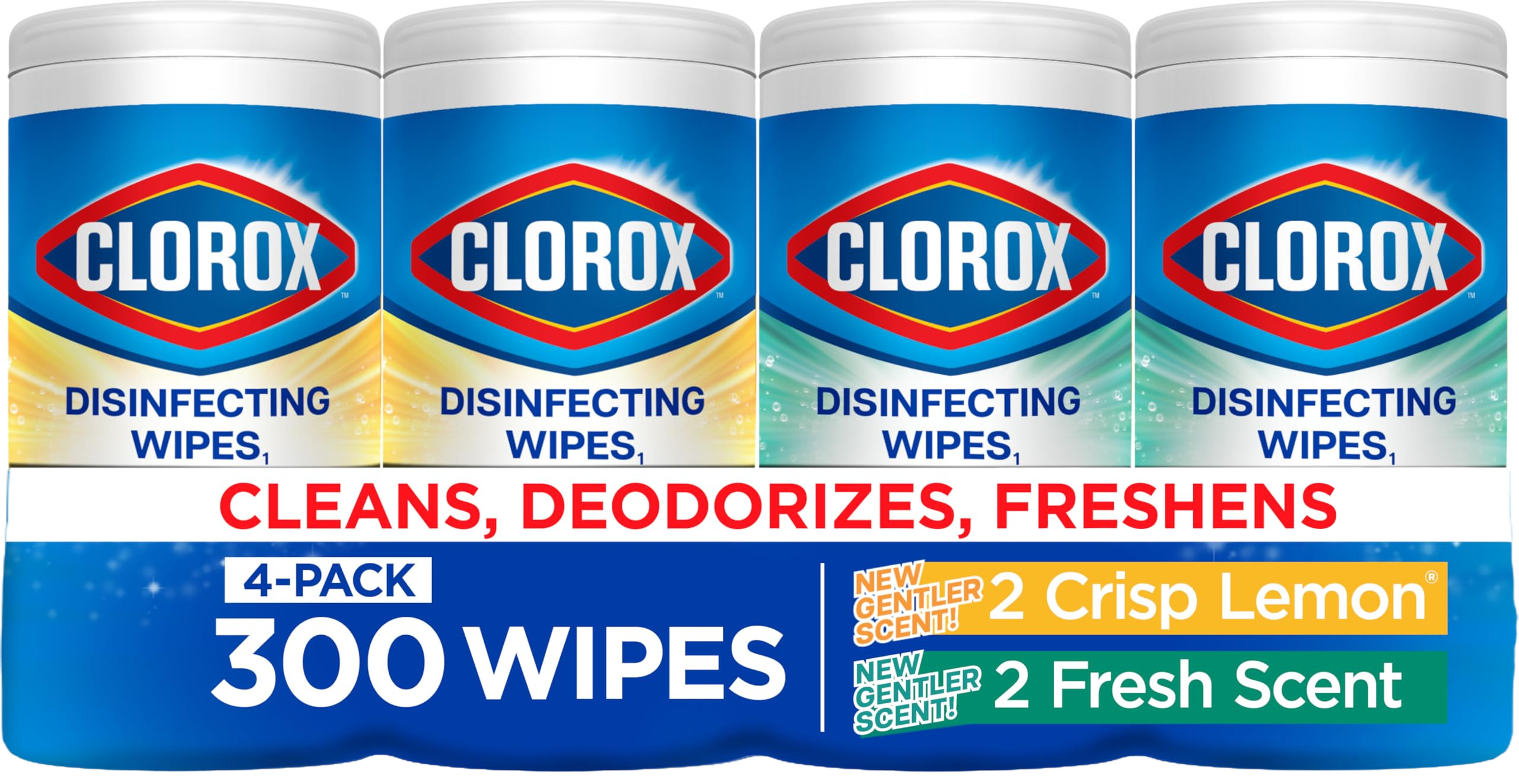 CloroxDisinfecting Cleaning Wipes for Spring Cleaning & Allergy Seasonstainless steel, glass, paper, graniteMaterial-based evidence · 89%Selected for stainless steel, glass, paper, granite material evidence in a useful rug category.
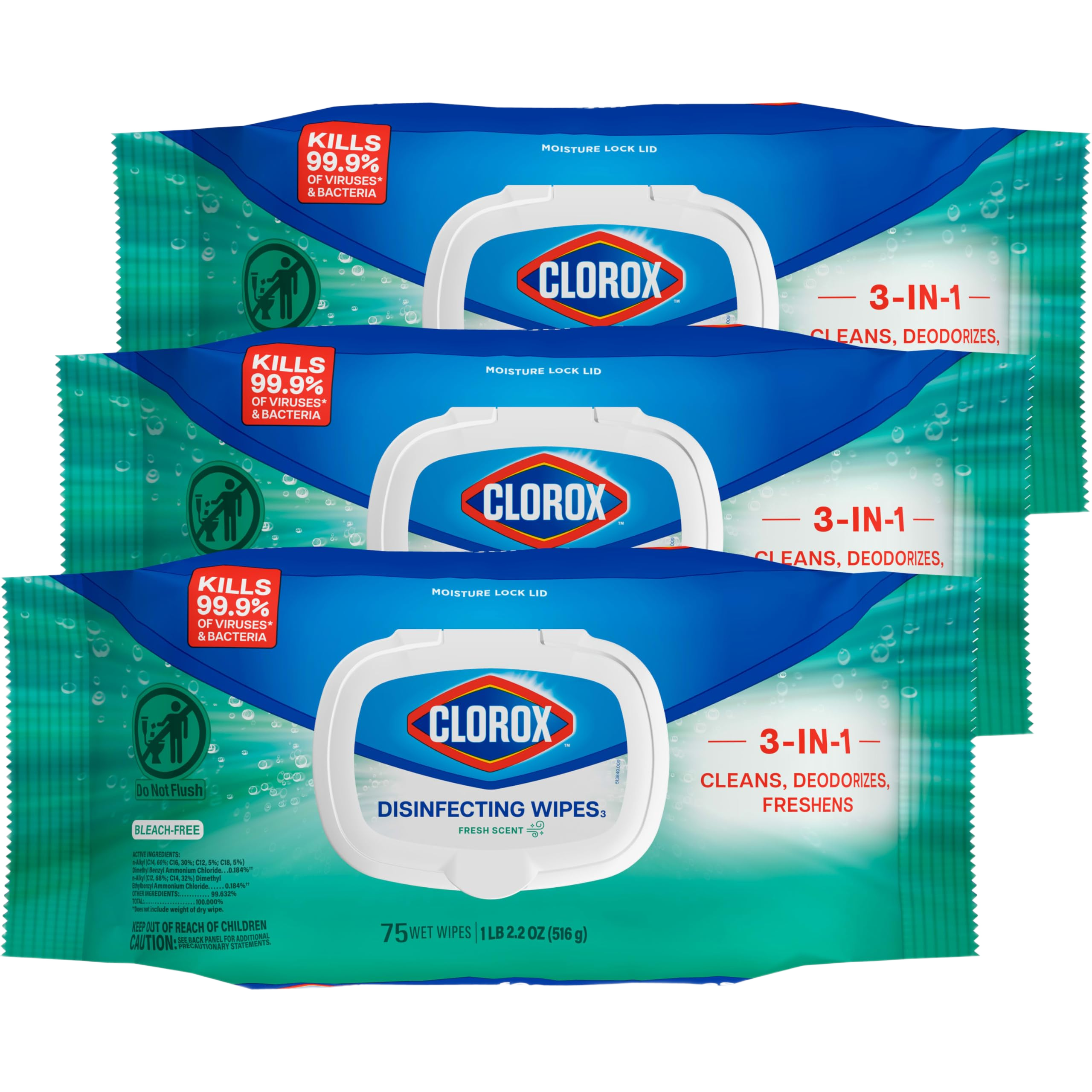 CloroxDisinfecting Wipes Flex Packstainless steel, glass, paper, graniteMaterial-based evidence · 89%Selected for stainless steel, glass, paper, granite material evidence in a useful rug category.
Beyond the Surface: Tools and Accessories
Cleaning isn't just about sprays and wipes; the tools we use also play a significant role. Many cleaning accessories, from brushes to scrubbers, can be sources of microplastics if made from synthetic materials. Opting for tools made from durable, natural, or inert materials like stainless steel, ceramic, or natural fibers can significantly reduce your home's microplastic footprint. These materials are not only more sustainable but often offer superior longevity and performance. The Massachusetts Office of the State Comptroller (OSD) provides a PFAS-free buying guide that can be a useful resource for identifying such alternatives across various product categories.
Durable Stainless Steel and Ceramic Tools
For tasks requiring precision and durability, tools crafted from materials like stainless steel and ceramic are excellent choices. A knife sharpener made with these materials ensures longevity and effective maintenance of kitchen knives without relying on plastic components. Similarly, stainless steel cuticle pushers offer a reusable and robust option for personal care, reducing the need for disposable plastic alternatives. These selections highlight the benefit of choosing tools that are built to last and made from materials that do not contribute to microplastic pollution.
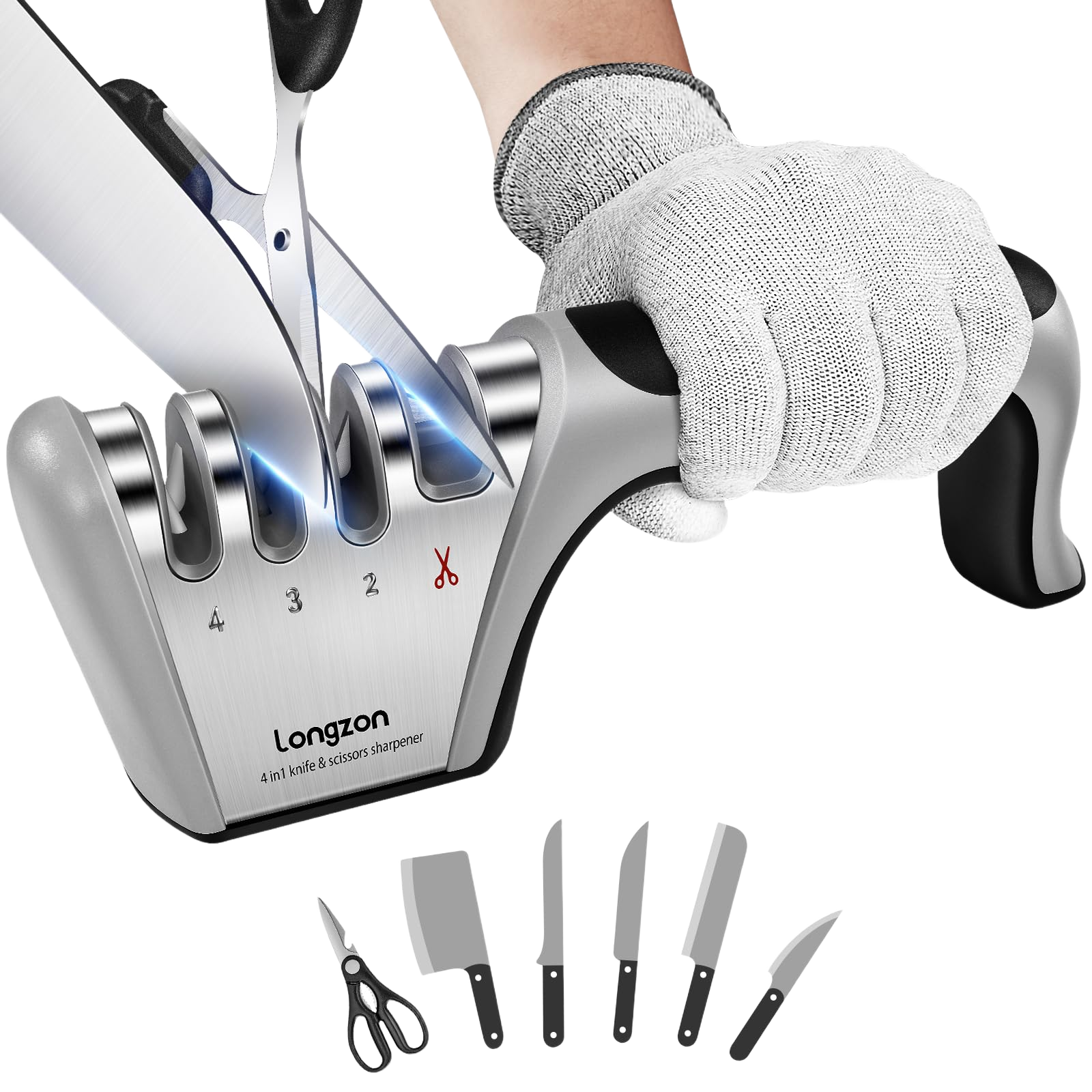 longzon5-in-1 Knife Sharpener 4 Stage with Cut-Resistant Glovestainless steel, ceramicMaterial-based evidence · 88%Selected for stainless steel, ceramic material evidence in a useful rug category.
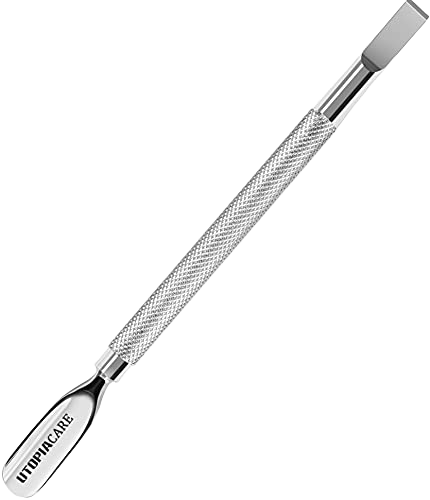 Utopia CareCuticle Pusher Tool & Spoon Nail Cleanerstainless steel, cottonMaterial-based evidence · 89%Selected for stainless steel, cotton material evidence in a useful cleaning cloth category.
The Rise of Natural Fibers in Cleaning
The shift towards natural fibers in cleaning cloths and paper products is a significant step in reducing microplastic shedding. Cotton, linen, and bamboo are excellent alternatives to synthetic microfibers, offering absorbency and effectiveness without the environmental burden of plastic particles. While microfiber cloths are often lauded for their cleaning power, their synthetic composition means they release microplastics with every wash. Choosing natural fiber cloths, or even paper towels made from sustainable sources, can make a substantial difference. The EPA provides insights into the human health and environmental risks of PFAS, underscoring the importance of these material choices.
Sustainable Cloths and Paper Products
Embracing natural fibers for cleaning cloths and paper products is an effective way to minimize microplastic pollution. These 100% cotton waffle weave dishcloths offer a soft, absorbent, and reusable solution for kitchen tasks, serving as an excellent alternative to synthetic cloths. For disposable needs, bamboo paper towels provide a tree-free and compostable option, with a brand claim of being PFAS-free. These choices reflect a commitment to reducing both plastic waste and exposure to persistent chemicals in everyday cleaning routines.
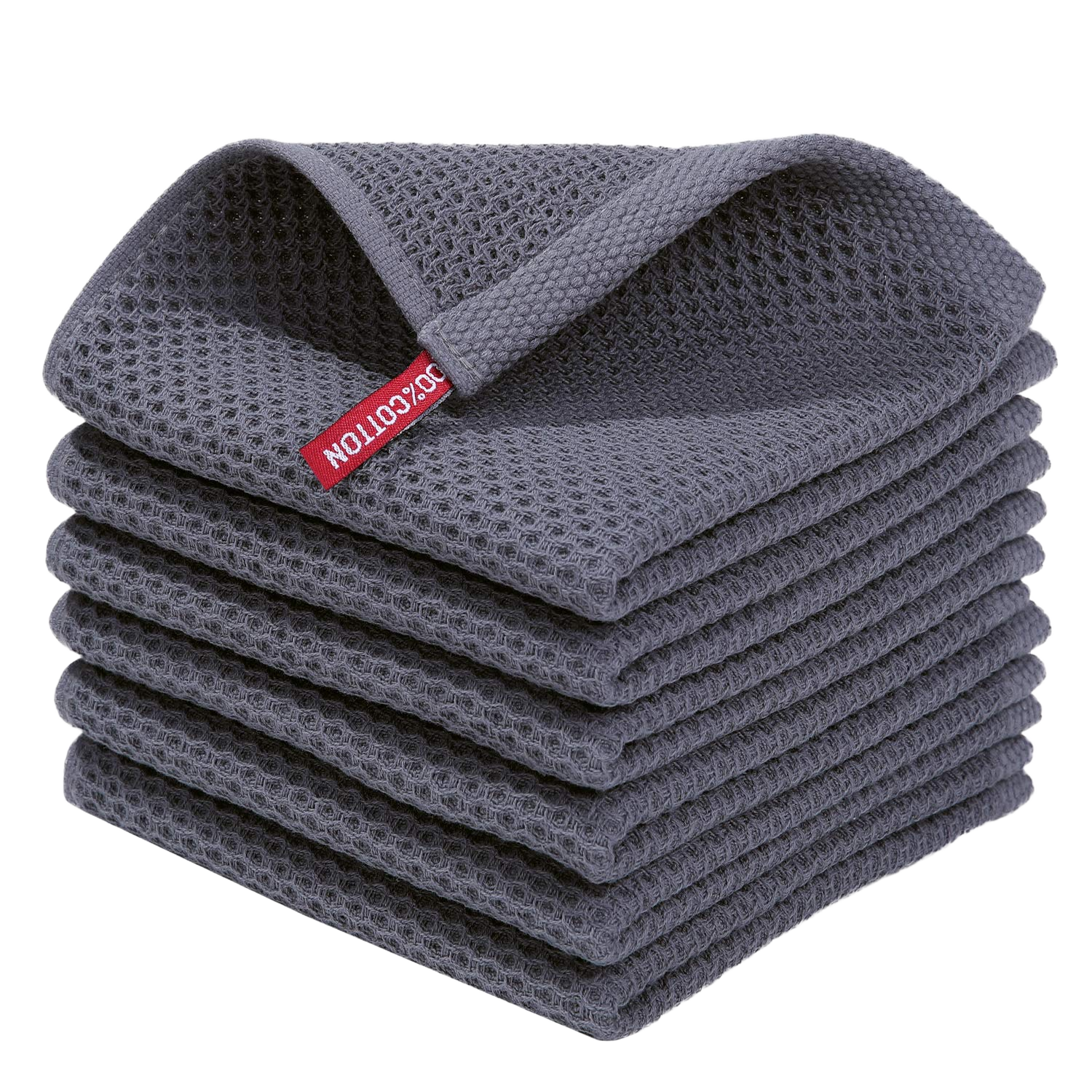 Homaxy100% Cotton Waffle Weave Kitchen Dish Cloths100% cotton, cotton, paperMaterial-based evidence · 85%Selected for 100% cotton, cotton, paper material evidence in a useful cleaning cloth category.
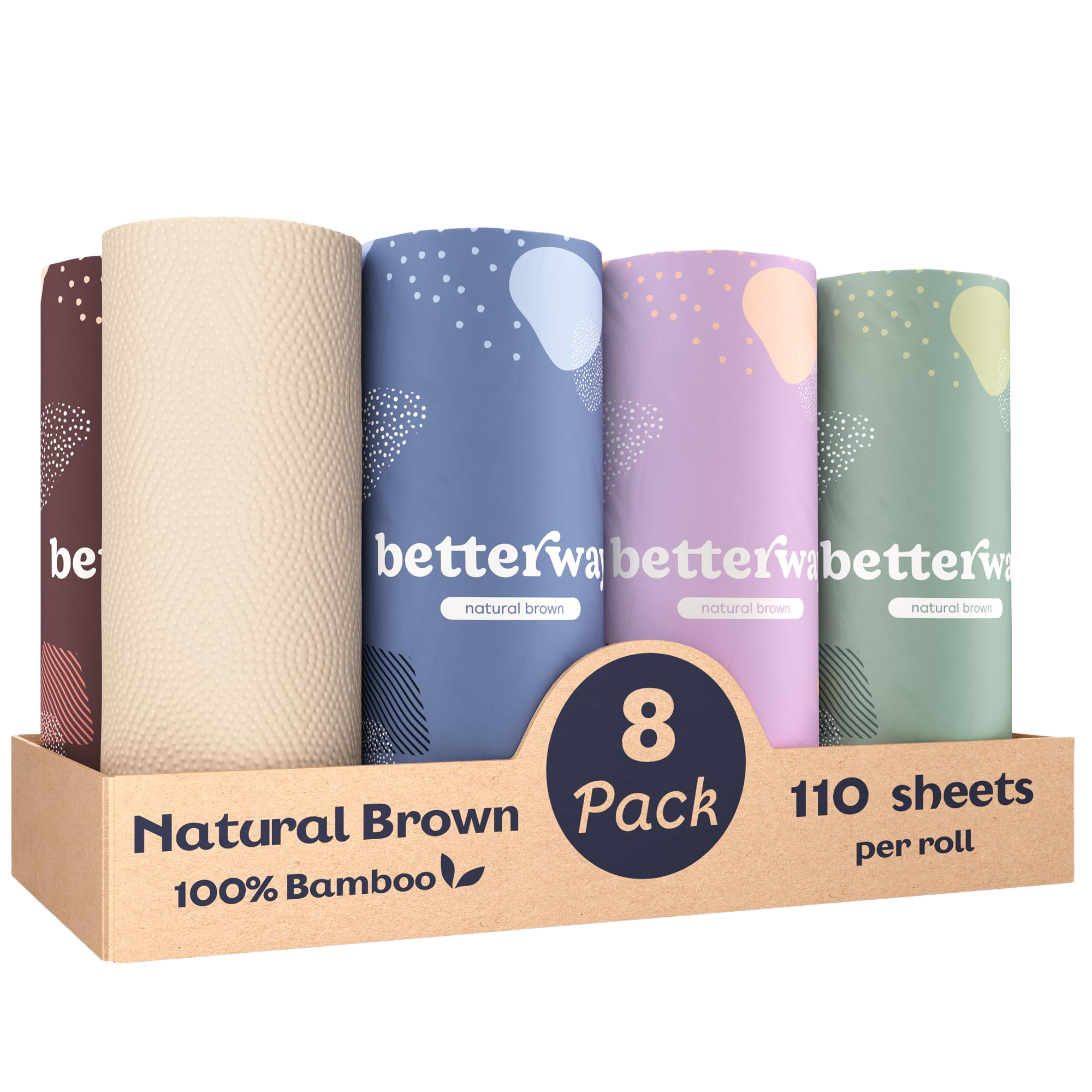 BetterwayBamboo Natural Brown Paper TowelsPFAS-free brand claimMaterial-based evidence · 83%Selected after manual review for pfas-free brand claim materials and fit with TheUncoated catalog.
Specialized Care: PFAS-Free Waterproofing
Beyond general cleaning, specialized products like waterproofing treatments also warrant attention for PFAS content. Many traditional waterproofing agents rely on PFAS for their water-repellent properties. However, innovative solutions are emerging that offer effective waterproofing without these chemicals. For outdoor gear and apparel, choosing PFAS-free options ensures that you maintain performance while reducing your environmental impact. This is particularly important for items that may be frequently washed or exposed to the elements, where chemical runoff could occur.
PFAS-Free Waterproofing for Outdoor Gear
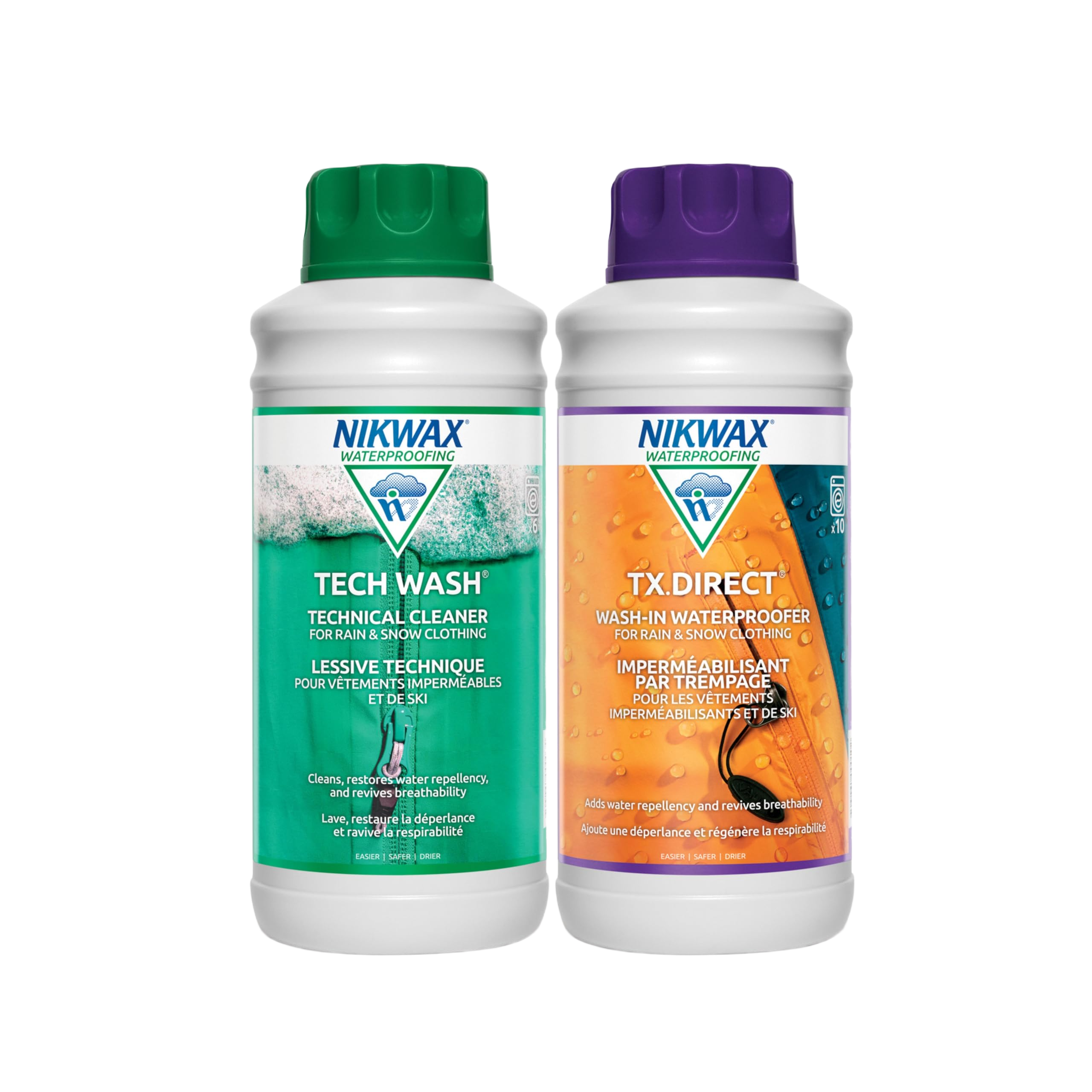
Maintaining the performance of hardshell outdoor gear often requires specialized cleaning and waterproofing. This duo-pack offers a water-based, PFAS-free solution for cleaning and restoring water repellency to jackets, rain gear, and ski apparel. The manufacturer explicitly states its PFAS-free composition, providing a reliable option for those looking to avoid these chemicals in their outdoor care routine. It's important to note that this is a treatment product for existing gear, not the gear itself.
Practical Shopping Rules for a PFAS-Free Home
To effectively reduce PFAS and microplastics in your home and cleaning routine, consider these practical rules:
Direct Answer: How to find PFAS-free home and cleaning products?
To find PFAS-free home and cleaning products, prioritize items with explicit 'PFAS-free' or 'fluorine-free' labels. Look for products made from natural materials like cotton, linen, bamboo, stainless steel, glass, and ceramic, especially for items that come into direct contact with surfaces or water. Avoid products with ingredients that include 'fluoro' or 'perfluoro' in their names. Be wary of 'water-resistant,' 'stain-resistant,' or 'grease-resistant' claims unless the product explicitly states it achieves these properties without PFAS. Check manufacturer websites and third-party certifications like GreenScreen Certified for additional verification. For cleaning cloths, opt for natural fibers over synthetic microfibers to prevent microplastic shedding.
Comparing Natural Fiber Cloths and Stainless Steel Accessories
When outfitting your home for a PFAS-free and microplastic-reduced environment, the choice of materials for everyday items is paramount. Consider the following comparisons:
**Natural Fiber Cleaning Cloths (e.g., Homaxy 100% Cotton Waffle Weave Kitchen Dish Cloths):** * **Pros:** Highly absorbent, reusable, biodegradable, and do not shed microplastics. Made from renewable resources. Versatile for various cleaning tasks. * **Cons:** May require more frequent washing than synthetic alternatives. Some natural fibers can be less durable under harsh conditions.
**Stainless Steel Accessories (e.g., Utopia Care Cuticle Pusher Tool & Spoon Nail Cleaner, Ponure 12 Pack Tablecloth Clips):** * **Pros:** Extremely durable, corrosion-resistant, reusable indefinitely, and do not shed microplastics. Hygienic and easy to clean. Long-term cost-effective. * **Cons:** Can be more expensive upfront than plastic alternatives. May scratch delicate surfaces if not used carefully.
**Bamboo Paper Towels (e.g., Betterway Bamboo Natural Brown Paper Towels):** * **Pros:** Tree-free, compostable, often PFAS-free, and a sustainable alternative to traditional paper towels. Strong and absorbent for disposable needs. * **Cons:** Still a disposable product, contributing to waste, albeit biodegradable. May not be as readily available or as inexpensive as conventional paper towels.
By understanding these differences, consumers can make informed decisions that align with their goals of reducing chemical exposure and environmental impact.
Homaxy100% Cotton Waffle Weave Kitchen Dish Cloths100% cotton, cotton, paperMaterial-based evidence · 85%Selected for 100% cotton, cotton, paper material evidence in a useful cleaning cloth category.Utopia CareCuticle Pusher Tool & Spoon Nail Cleanerstainless steel, cottonMaterial-based evidence · 89%Selected for stainless steel, cotton material evidence in a useful cleaning cloth category. Ponure12 Pack Tablecloth Clipsstainless steel, linenMaterial-based evidence · 88%Selected for stainless steel, linen material evidence in a useful cleaning cloth category.BetterwayBamboo Natural Brown Paper TowelsPFAS-free brand claimMaterial-based evidence · 83%Selected after manual review for pfas-free brand claim materials and fit with TheUncoated catalog.
What to Avoid When Shopping for Home & Cleaning Products
To minimize PFAS and microplastic exposure, avoid products with these characteristics:
* **"Stain-resistant," "water-resistant," or "grease-resistant" claims without explicit PFAS-free verification:** These properties are often achieved with fluorinated chemicals. * **Ingredients containing "fluoro" or "perfluoro" (e.g., PTFE, PFOA, PFOS):** These are direct indicators of PFAS presence. * **Microfiber cloths and sponges:** While effective, they shed microplastic fibers into wastewater during washing and use. * **Products with synthetic polymer contact parts:** Check for plastic components in cleaning brushes, scrubbers, or spray bottle nozzles that frequently contact water or surfaces. * **"BPA-free" claims as a sole indicator of safety:** BPA-free does not mean microplastic-free or PFAS-free. Many BPA-free plastics still shed microplastics. * **Aerosol sprays for cleaning:** These can contain propellants and other chemicals that may include PFAS or contribute to indoor air pollution.
Uncertainty and Trade-offs in Going PFAS-Free
Navigating the world of PFAS-free and microplastic-reduced products involves certain uncertainties and trade-offs. Not all manufacturers are transparent about their chemical compositions, making it difficult to verify claims. The absence of a 'PFAS-free' label doesn't automatically mean a product contains PFAS, but it does introduce uncertainty. Similarly, while natural alternatives are generally safer, they may sometimes require different care routines or offer slightly different performance characteristics compared to their synthetic counterparts. For example, a natural fiber cloth might not have the same electrostatic dust-attracting properties as a microfiber cloth. The balance between convenience, cost, and chemical safety is a personal decision, but choosing products with clearer material evidence and fewer questionable additives is always a step in the right direction. The CDC's research on organic fluorine as an indicator of PFAS in dust from buildings with healthier materials underscores the ongoing scientific efforts to understand and mitigate these exposures.
How to Verify PFAS-Free Claims
Verifying PFAS-free claims requires a multi-pronged approach:
1. **Look for explicit 'PFAS-free' or 'fluorine-free' labels:** This is the most straightforward indicator. 2. **Check ingredient lists:** Avoid any ingredients with 'fluoro' or 'perfluoro' in their names. 3. **Research manufacturer websites:** Many brands committed to chemical transparency will detail their material choices and certifications. 4. **Seek third-party certifications:** Organizations like GreenScreen Certified provide independent verification of chemical safety. 5. **Prioritize natural materials:** For items like cleaning cloths, sponges, and brushes, opt for cotton, linen, bamboo, wood, or natural bristles. 6. **Be skeptical of 'performance' claims:** If a product boasts extreme water, stain, or grease resistance without specifying how it achieves this without PFAS, exercise caution. 7. **Consult reputable databases and guides:** Resources from government agencies (e.g., EPA, FDA, state environmental departments) and non-profit organizations often list products or brands that are verified PFAS-free.
Questions
What are PFAS and why are they a concern in home cleaning products?
PFAS (per- and polyfluoroalkyl substances) are a group of man-made chemicals known for their water, stain, and grease-resistant properties. They are a concern because they are persistent in the environment and in the human body, earning them the nickname 'forever chemicals.' Exposure to PFAS has been linked to various health issues, including developmental problems, cancer, and immune system effects. In home cleaning products, they might be used in formulations for their non-stick or water-repellent qualities, or in the materials of cleaning tools themselves.
How can I avoid microplastics from cleaning products?
To avoid microplastics from cleaning products, choose items made from natural fibers like cotton, linen, or bamboo instead of synthetic microfibers for cloths and sponges. Opt for cleaning tools with natural bristles or those made from durable materials like stainless steel or wood. Regularly check ingredient lists for plastic polymers in liquid cleaners, although microplastic shedding is more common from solid items. Washing natural fiber cloths in a Guppyfriend bag can also help capture any stray fibers, though natural fibers are biodegradable.
Are 'BPA-free' products also PFAS-free or microplastic-free?
No, 'BPA-free' does not mean a product is automatically PFAS-free or microplastic-free. BPA (Bisphenol A) is a specific chemical often found in plastics, and while avoiding it is beneficial, many BPA-free plastics still contain other plasticizers or can shed microplastics. Similarly, the absence of BPA does not indicate the absence of PFAS, which are a different class of chemicals. It's important to look for specific 'PFAS-free' claims and consider the overall material composition to avoid both BPA and PFAS/microplastics.
What natural materials are good alternatives for cleaning tools and cloths?
Excellent natural material alternatives for cleaning tools and cloths include 100% cotton, linen, hemp, bamboo, wood, natural rubber, and stainless steel. These materials are durable, effective, and do not contribute to microplastic pollution. For example, cotton or linen cloths can replace microfiber, and wooden brushes with natural bristles can replace plastic brushes. Stainless steel can be used for scrubbers, clips, and other durable tools.
Where can I find reliable information about PFAS in consumer products?
Reliable information about PFAS in consumer products can be found from government agencies such as the U.S. Environmental Protection Agency (EPA), the U.S. Food and Drug Administration (FDA), and state environmental or health departments (e.g., Washington State Department of Health, Massachusetts Office of the State Comptroller). Non-profit organizations focused on chemical safety and environmental health also provide valuable resources and buying guides. Look for third-party certifications like GreenScreen Certified for products that have undergone independent chemical assessments.