Understanding PFAS and Why Filtering Your Water Matters
Per- and polyfluoroalkyl substances (PFAS) are a group of man-made chemicals found in various consumer and industrial products. They are often referred to as 'forever chemicals' because they break down very slowly and can accumulate in the environment and human body. Exposure to PFAS has been linked to potential health concerns, making effective water filtration a critical consideration for many households. This guide explores the best water filters certified to reduce PFAS, focusing on technologies like reverse osmosis and activated carbon, and provides practical advice for choosing the right system for your needs.
How Water Filters Reduce PFAS
The U.S. Environmental Protection Agency (EPA) identifies two primary types of point-of-use (POU) and point-of-entry (POE) water treatment technologies effective at reducing PFAS in drinking water: activated carbon and reverse osmosis. Activated carbon filters work by adsorbing PFAS molecules onto the surface of the carbon, while reverse osmosis systems use a semi-permeable membrane to remove a wide range of contaminants, including PFAS, from water. When selecting a filter, it's crucial to look for certifications from independent third-party organizations like NSF International or the Water Quality Association (WQA) to ensure the product meets specific performance standards for PFAS reduction. These certifications verify that the filter has been tested and shown to reduce PFAS to acceptable levels.
Best Countertop Reverse Osmosis Filter
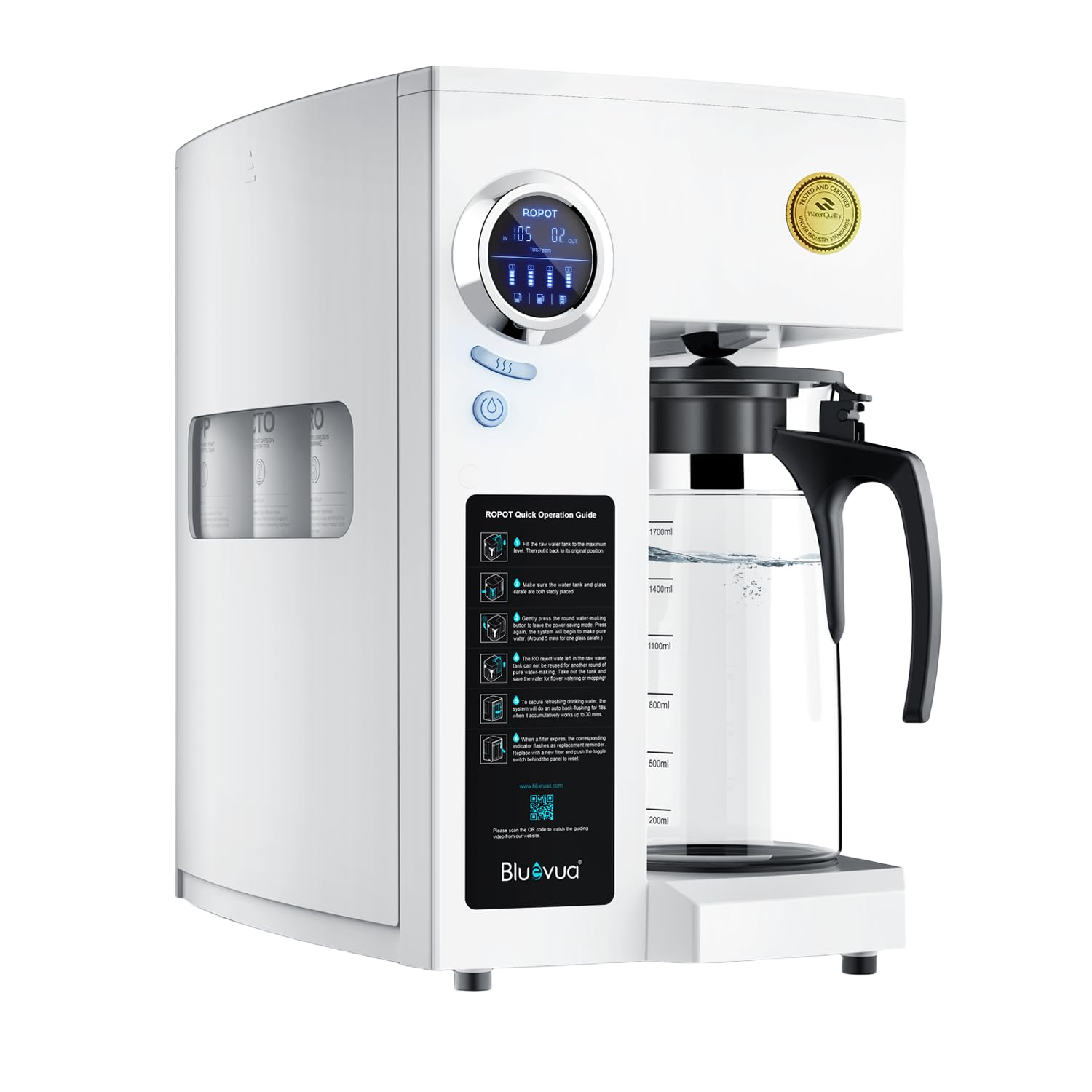
The Bluevua RO100ROPOT stands out as an excellent countertop reverse osmosis system, featuring a high borosilicate glass carafe that eliminates concerns about plastic leaching into your purified water. This system utilizes a 6-stage reverse osmosis process, combined with UV sterilization, to effectively reduce PFOA/PFOS and other contaminants, as confirmed by SGS and independent lab tests. Its portable, no-installation design makes it a convenient option for renters or those who prefer not to modify their plumbing. The glass carafe is a significant advantage, ensuring that the water you drink remains free from potential plasticizers.
Best Under-Sink Reverse Osmosis Filter
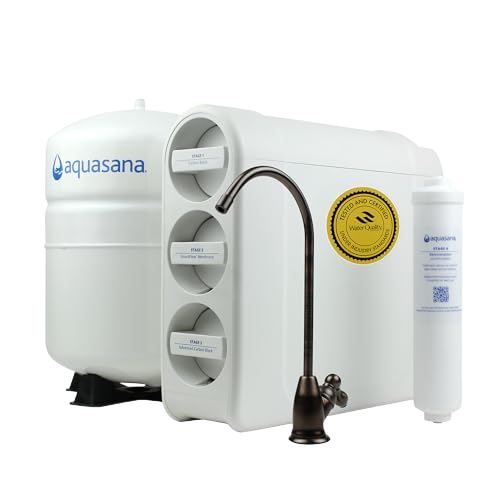
The Aquasana SmartFlow® Reverse Osmosis Water Filter is a top-tier under-sink solution for comprehensive PFAS reduction. It is WQA certified to NSF/ANSI standards 42, 53 (P473), 58, and 401, demonstrating its ability to reduce up to 99.99% of PFAS, including PFOA/PFOS. This system also incorporates a remineralization stage, which adds healthy minerals back into the water after filtration, improving taste and health benefits. Its efficient SmartFlow technology ensures a good flow rate, and its under-sink design keeps your counter space clear.
Key Considerations When Choosing a PFAS Water Filter
When selecting a water filter for PFAS, several factors should influence your decision. First, verify the filter's certification to NSF/ANSI standards, specifically NSF P473 for PFAS reduction or NSF/ANSI 58 for reverse osmosis systems. These certifications provide assurance of performance. Second, consider the type of filter: reverse osmosis systems generally offer the highest level of PFAS reduction, while activated carbon filters can also be effective, especially in multi-stage systems. Third, assess your household's water usage and the filter's capacity and filter replacement costs. Finally, evaluate the installation requirements, whether you prefer a simple countertop unit or a more permanent under-sink system. Some systems also offer additional features like remineralization, which can improve the taste of filtered water.
Reliable Under-Sink RO System with PFAS Reduction
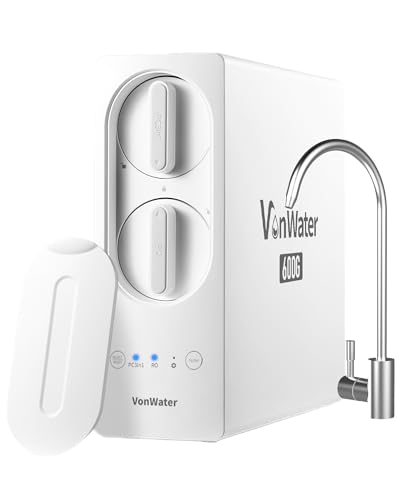
The VonWater 600GPD Under Sink RO Water Filtration system provides a robust solution for reducing PFAS and other contaminants. This 7-stage reverse osmosis system is designed to significantly reduce TDS (Total Dissolved Solids), PFAS, and heavy metals. It is NSF/ANSI 372 certified for lead-free compliance, ensuring the safety of the materials used in its construction. The system also emphasizes the use of BPA-free food-grade materials, contributing to a safer drinking water experience. Its high 600 GPD (Gallons Per Day) capacity makes it suitable for households with higher water demands.
Versatile RO System with Countertop Pitcher
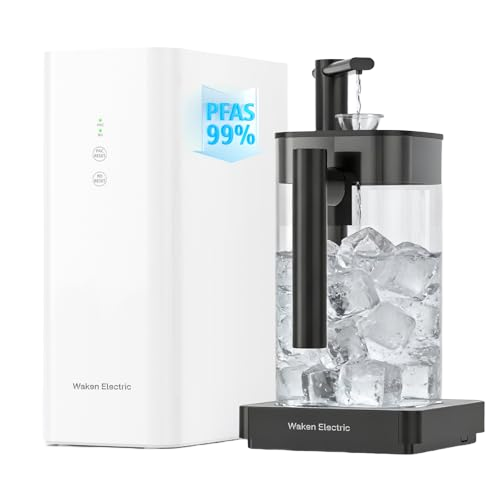
The Waken Electric Under-Sink Reverse Osmosis Water Filtration System offers a unique combination of under-sink filtration with the convenience of a countertop auto-fill pitcher. This 4-stage RO system, featuring a 0.0001μm RO membrane, is designed to remove 99.99% of contaminants, including PFAS, lead, and TDS. It is NSF/ANSI 58 certified for structural integrity and contaminant reduction, and NSF/ANSI 372 compliant for lead-free materials. While some related models indicate BPA-free materials, direct confirmation for all components should be sought. The auto-fill pitcher provides easy access to purified water without needing to turn on the tap.
Replacement Filters for PFAS Reduction
The Waterdrop G2-2CFRO Filter set provides replacement filters for Waterdrop's G2 RO system, designed with natural materials to reduce PFAS. These filters utilize a natural activated carbon block derived from Sri Lankan coconut shells, known for its effective adsorption properties. The three-stage filtration process, including a 0.0001 μm RO membrane, is engineered to reduce impurities, including PFAS. With a long 2-year lifespan, these replacement filters offer a cost-effective way to maintain high-quality water filtration within a compatible Waterdrop G2 RO system.
Under-Sink Filter with PFAS Reduction Claims
The Waterdrop 15UA Under Sink Water Filter System is designed to reduce PFAS and other common contaminants. While it is NSF/ANSI 42 certified for chlorine, taste, and odor reduction, and third-party tested for lead, its PFAS reduction claims are based on brand statements. The system utilizes premium materials certified as lead-free and BPA-free by IAPMO/WQA. However, explicit evidence regarding the PFAS-free construction of all filter components would strengthen its standing. It offers a significant 16,000-gallon capacity, providing long-term filtration before needing replacement.
Practical Shopping Rules for PFAS Water Filters
When navigating the market for PFAS water filters, keep these practical rules in mind to make an informed and effective purchase:
Direct Answer: What is the best water filter for PFAS?
The best water filters for PFAS reduction are typically reverse osmosis (RO) systems or activated carbon filters that have been independently certified to specific NSF/ANSI standards, such as NSF P473 for PFAS reduction or NSF/ANSI 58 for reverse osmosis. These certifications assure that the filter has been rigorously tested and proven to effectively remove PFAS from drinking water. While activated carbon can be effective, RO systems generally offer the highest level of contaminant removal, including a broad spectrum of PFAS compounds. Always look for clear certification labels when making your selection.
Comparing Reverse Osmosis and Activated Carbon for PFAS Reduction
Both reverse osmosis (RO) and activated carbon filtration are effective methods for reducing PFAS in drinking water, but they operate differently and offer varying levels of performance. RO systems use a semi-permeable membrane to physically block contaminants, including very small PFAS molecules, resulting in a high percentage of removal for a wide range of substances. Activated carbon filters, on the other hand, work by adsorbing PFAS onto the surface of the carbon material. While highly effective for many organic chemicals, the efficiency of activated carbon for PFAS can vary depending on the specific PFAS compounds and the filter's design. RO systems generally provide more comprehensive PFAS removal, often reducing levels to non-detectable limits, but they can be more expensive, produce wastewater, and may remove beneficial minerals. Activated carbon filters are typically more affordable, produce less wastewater, and retain minerals, but their effectiveness against all PFAS may be slightly lower than RO, and they require more frequent replacement.
What to Avoid When Buying a PFAS Water Filter
When shopping for a PFAS water filter, avoid products that lack independent third-party certifications, particularly from organizations like NSF International or the Water Quality Association (WQA). Claims of 'PFAS reduction' without specific certification to standards like NSF P473 or NSF/ANSI 58 for RO systems can be misleading. Be wary of filters that rely solely on 'BPA-free' claims as an indicator of overall material safety, as this doesn't guarantee the absence of other concerning chemicals or microplastics, especially in components that contact water. Also, avoid filters with mixed-material construction where critical water-contacting parts (like lids, straws, gaskets, or liners) are made of plastics or other synthetic materials that could leach chemicals, even if the primary filter media is effective. Overly cheap filters may also indicate a compromise in material quality or filtration effectiveness.
Uncertainties and Trade-offs in PFAS Filtration
While advanced filtration technologies like reverse osmosis and activated carbon are highly effective at reducing PFAS, some uncertainties and trade-offs exist. The effectiveness of any filter can vary based on the specific PFAS compounds present, their concentrations, and other water chemistry factors. No filter can guarantee 100% removal of all PFAS under all conditions. Reverse osmosis systems, while highly effective, produce wastewater, which can be a concern for water conservation. They also remove beneficial minerals, sometimes necessitating a remineralization stage. Activated carbon filters, while generally more environmentally friendly in terms of water usage, have a finite capacity for PFAS adsorption and require regular replacement to remain effective. The long-term performance and material integrity of all filter components, especially plastics in contact with water, remain areas of ongoing research and concern. Consumers should balance filtration effectiveness with cost, maintenance, and environmental impact.
Questions
What is PFAS and why is it a concern?
PFAS, or per- and polyfluoroalkyl substances, are a group of man-made chemicals used in various products for their water and stain-resistant properties. They are concerning because they are persistent in the environment and the human body, earning them the nickname 'forever chemicals.' Exposure to PFAS has been linked to potential health effects, including developmental issues, immune system problems, and certain cancers.
What types of water filters are effective against PFAS?
The most effective types of water filters for PFAS reduction are reverse osmosis (RO) systems and activated carbon filters. It is crucial to choose filters that are independently certified to specific NSF/ANSI standards, such as NSF P473 for PFAS reduction or NSF/ANSI 58 for RO systems, to ensure their effectiveness.
Do all activated carbon filters remove PFAS?
While activated carbon filters can be effective against PFAS, not all activated carbon filters are designed or certified to remove them. The effectiveness depends on the type of carbon, contact time, and other design factors. Always look for specific certifications (e.g., NSF P473) that explicitly state PFAS reduction capabilities.
Is a 'BPA-free' label enough to ensure a filter is safe from chemical leaching?
No, a 'BPA-free' label only indicates the absence of Bisphenol A. It does not guarantee the absence of other potentially harmful chemicals or microplastics, especially in components that come into prolonged contact with water. For comprehensive safety, look for filters made with minimal plastic contact or certified to broader material safety standards.
How often do I need to replace PFAS water filters?
Filter replacement frequency depends on the type of filter, water quality, and household usage. Reverse osmosis membranes typically last longer (2-5 years), while activated carbon pre-filters and post-filters may need replacement every 6-12 months. Always follow the manufacturer's recommendations for filter replacement to ensure continuous effectiveness.