The Search for Truly PFAS-Free Cookware
The term "PFAS-free" has become a common marketing claim in the cookware industry, but navigating these claims can be challenging. Per- and polyfluoroalkyl substances (PFAS) are a group of thousands of synthetic chemicals, some of which have been linked to adverse health effects. They are known for their non-stick and water-repellent properties, making them popular in many consumer products, including traditional non-stick cookware coatings. This guide cuts through the marketing jargon to identify cookware options that genuinely minimize your exposure to these chemicals and microplastics.
Understanding PFAS in Cookware
PFAS are often referred to as 'forever chemicals' because they break down very slowly in the environment and can accumulate in the human body. In cookware, PFAS are primarily found in non-stick coatings, such as those made with PTFE (polytetrafluoroethylene), commonly known by the brand name Teflon. While many manufacturers now claim their products are PFOA-free (a specific type of PFAS that was phased out), the broader category of PFAS still includes many other chemicals that may be used. The Washington State Department of Ecology notes that PFAS are used in a wide array of consumer products due to their unique properties, and the U.S. Food and Drug Administration (FDA) has recognized their use in food contact applications. For cookware, true PFAS-free options typically rely on materials that are inherently non-stick or designed to be used with oil, rather than a synthetic coating.
Top Pick: Uncoated Stainless Steel Cookware
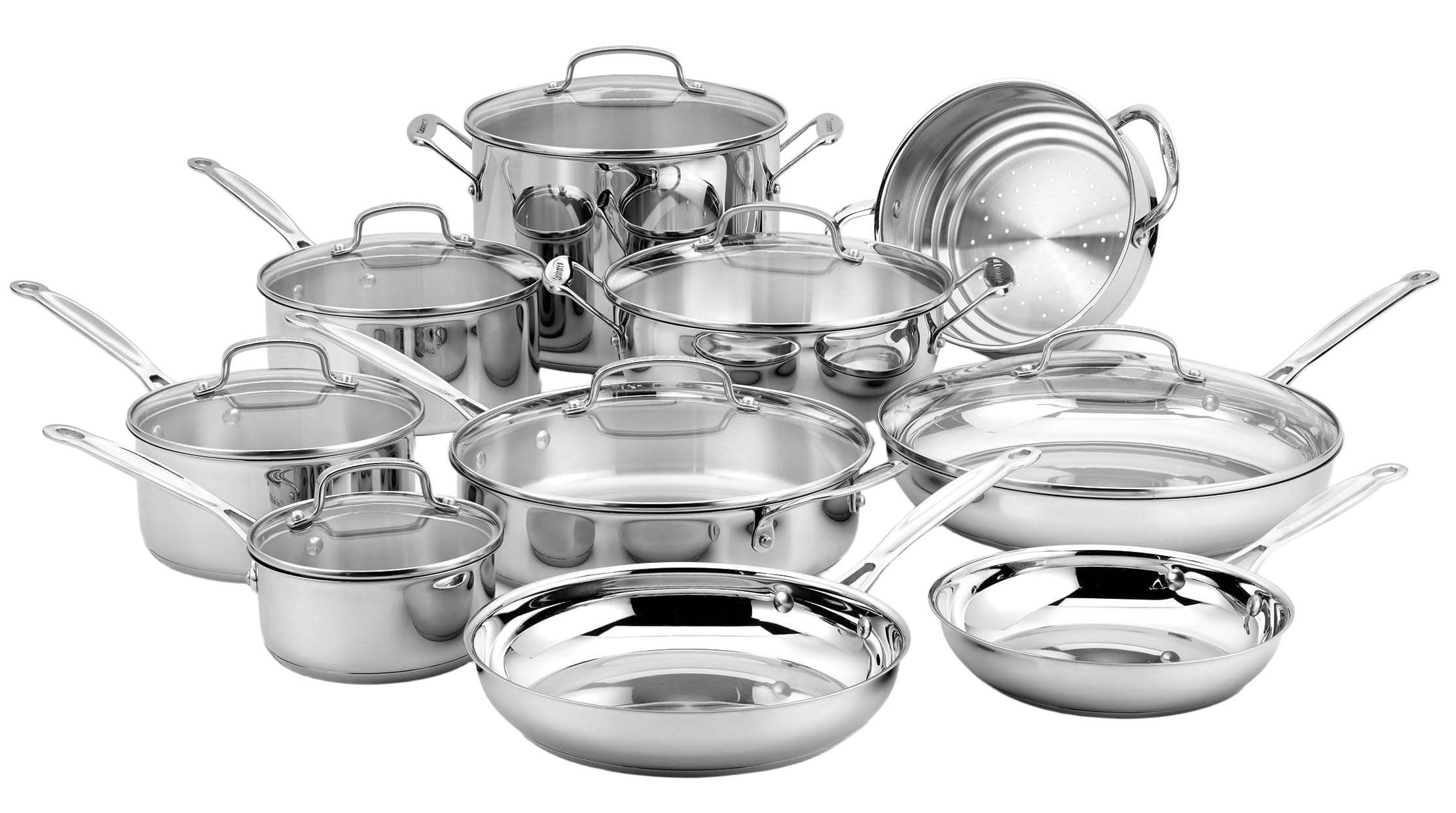
Uncoated stainless steel is a durable and versatile option for PFAS-free cooking. It's naturally free of synthetic coatings and, when properly cared for, can last a lifetime. Look for high-quality stainless steel, often with multiple layers (ply) for even heat distribution. This type of cookware requires a bit more oil to prevent sticking but offers excellent searing and browning capabilities.
Why Material Matters: Beyond Non-Stick Claims
When searching for PFAS-free cookware, it's crucial to look beyond simple 'non-stick' claims. Many ceramic-coated non-stick pans, while often marketed as 'green' or 'non-toxic,' can still contain various synthetic materials that may break down over time or are not fully disclosed. The most reliable options are those made from inherently safe materials that do not rely on a chemical coating for their function. These materials include cast iron, stainless steel, and glass. The Washington State Department of Health provides further information on PFAS in consumer products, emphasizing the need for careful material scrutiny.
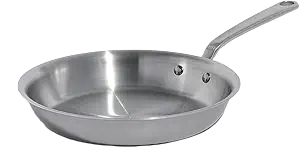
Reliable Stainless Steel Frying Pan
For everyday frying, a high-quality stainless steel pan is an excellent PFAS-free choice. These pans are built to last, offer superior heat retention, and are safe for all cooktops, including induction. They require seasoning with oil to prevent food from sticking, but this creates a natural, non-toxic cooking surface.
Comparing PFAS-Free Cookware Materials
Different PFAS-free materials offer unique benefits and drawbacks. Stainless steel is highly durable and versatile, while cast iron provides excellent heat retention and can develop a natural non-stick surface with proper seasoning. Bamboo, though not for direct cooking surfaces, is a safe, natural material for kitchen tools. Each material has its place in a PFAS-free kitchen.
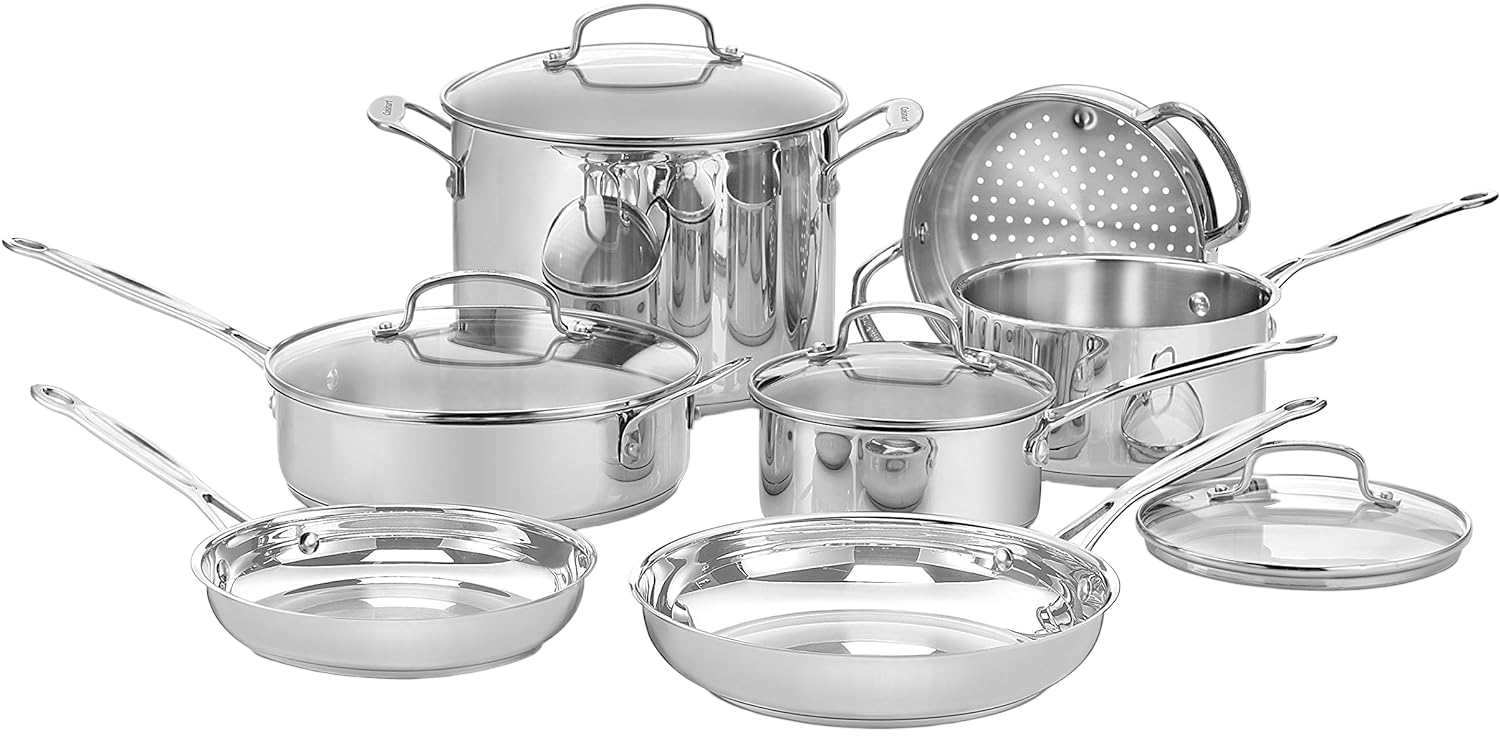
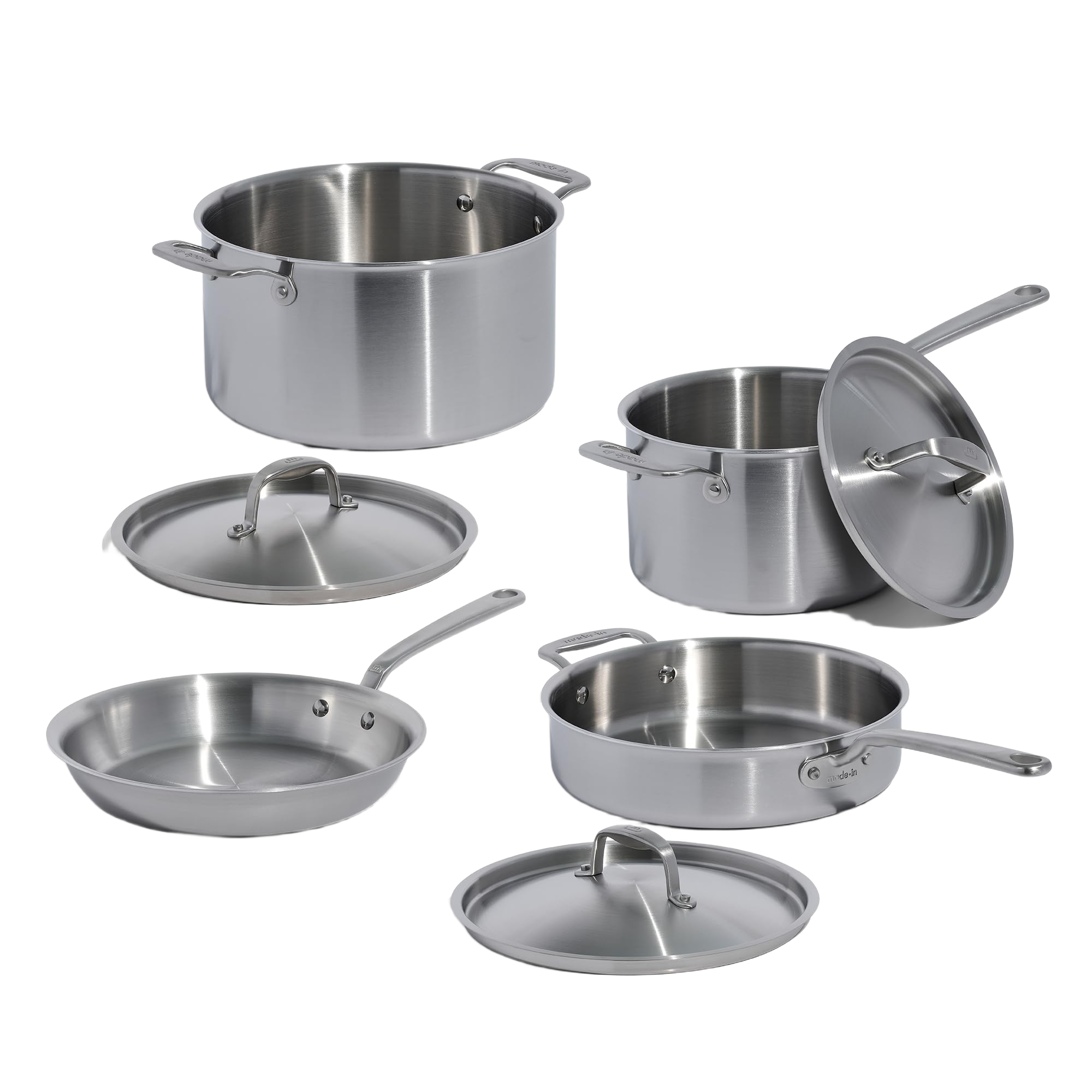 Made InCookware – 7 Piece Stainless Steel Cookware Set – 5-Ply Stainless Clad – Includes Frying P5-Ply Stainless CladMaterial-based evidence · 95%Uncoated 5-ply stainless steel cookware with no PFAS, PTFE, or PFOA; professional-grade and induction compatible.
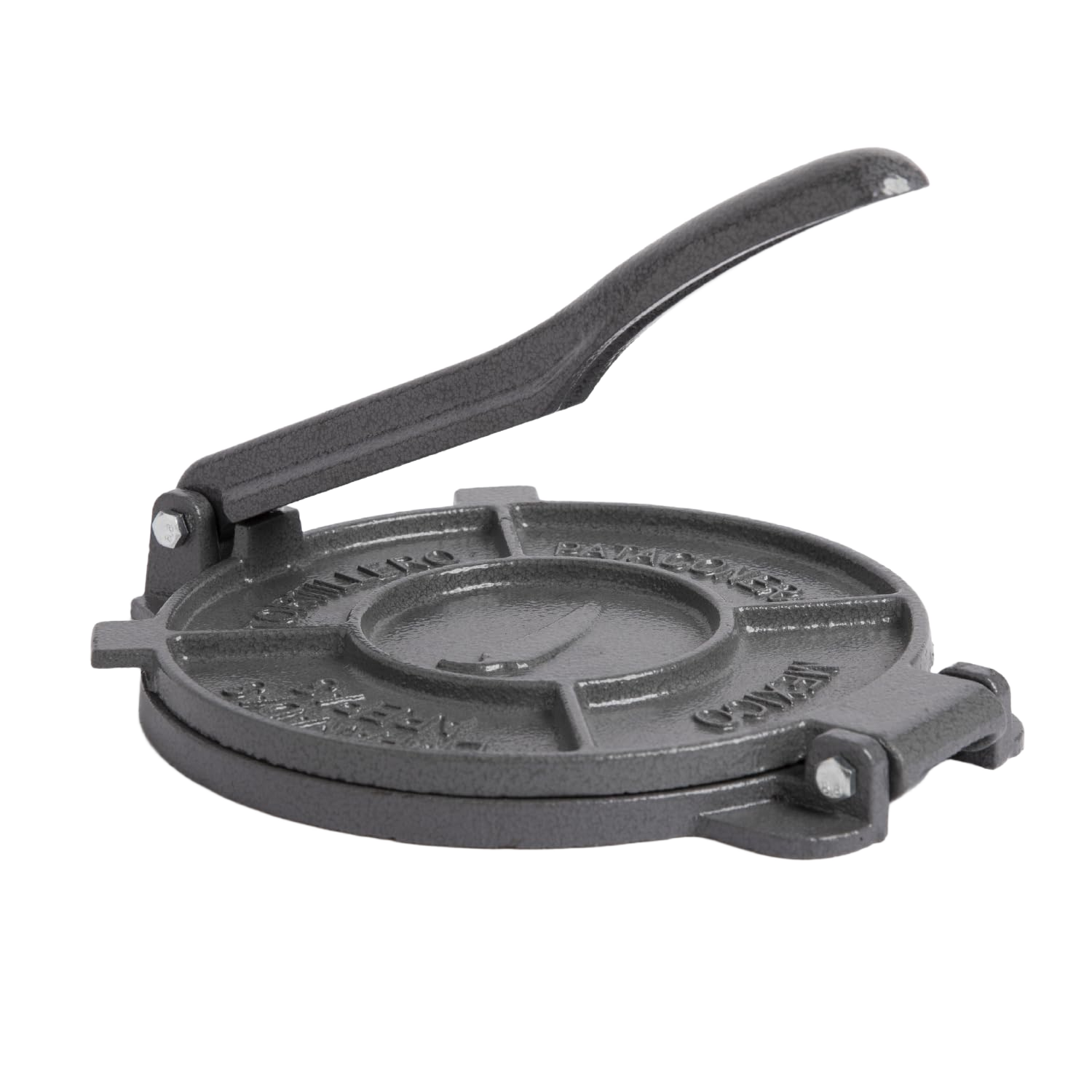
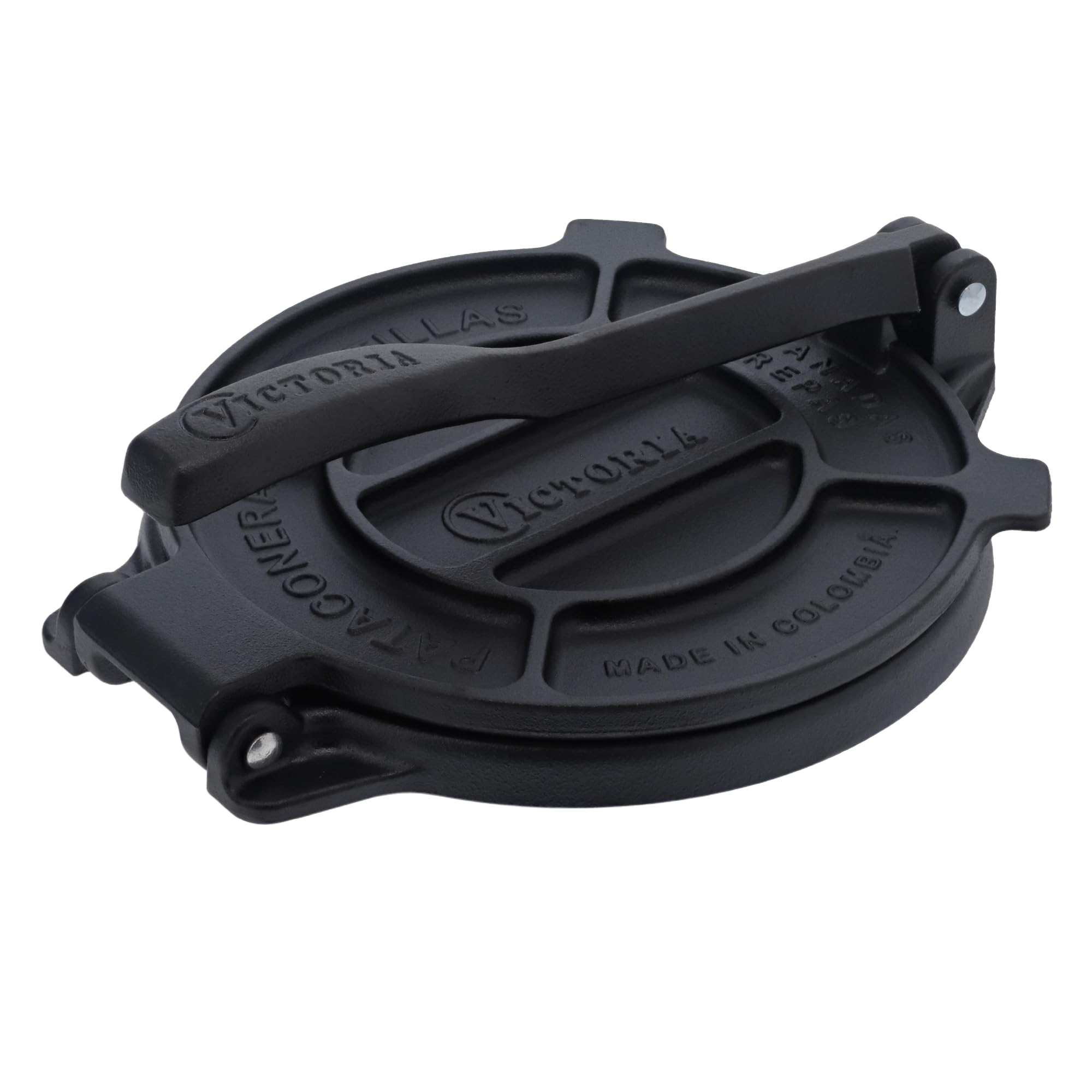 Victoria8 Inches Cast Iron Tortilla Presscast iron seasoned with flaxseed oilManufacturer source · 95%Cast iron tortilla press explicitly made without PFAS, PTFE, PFOA or synthetic coatings; seasoned only with flaxseed oil.
Uncertainties and Trade-offs in Cookware Choices
While opting for inherently uncoated materials like stainless steel and cast iron significantly reduces PFAS exposure, there are still trade-offs. These materials often require more fat for cooking and can have a steeper learning curve for achieving non-stick results compared to traditional coated pans. Additionally, some 'ceramic' non-stick coatings are marketed as PFAS-free, but their long-term durability and the exact composition of their non-stick layer can be unclear, making it difficult to assess potential risks fully. The FDA continues to evaluate the safety of PFAS in food contact materials, highlighting the ongoing nature of research and regulation in this area. For the most cautious approach, sticking to truly uncoated materials is recommended.
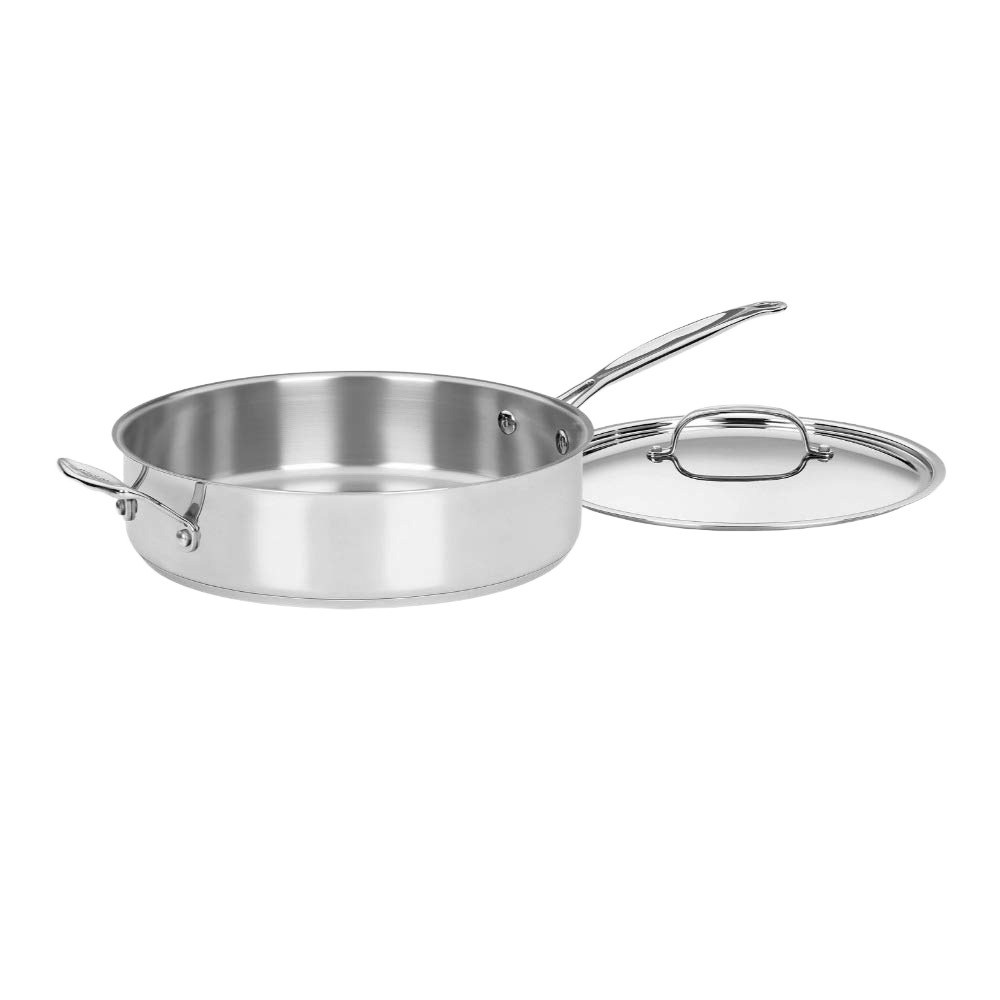
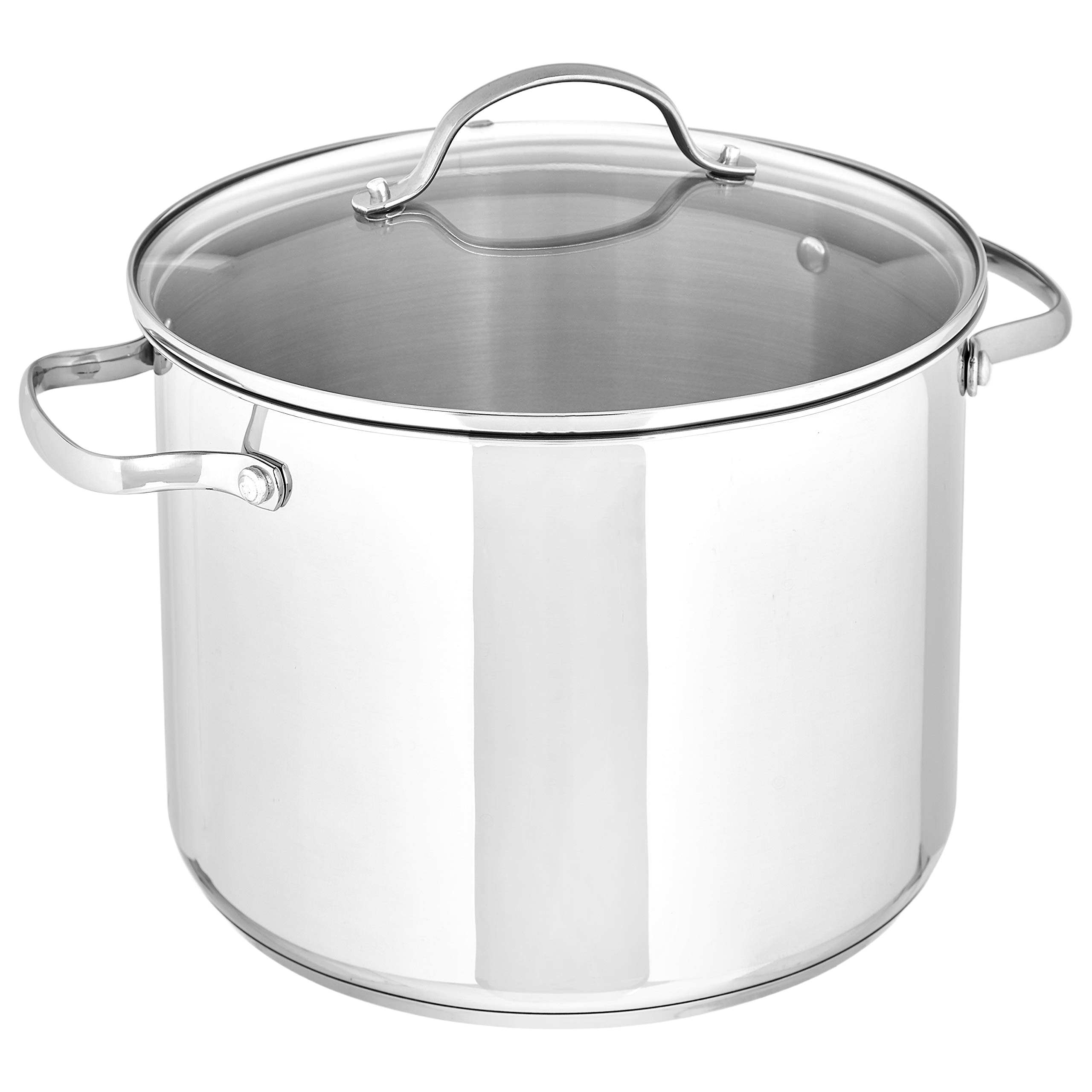
Essential Stainless Steel Stock Pot
A good stock pot is indispensable in any kitchen. Choosing one made from stainless steel ensures you're cooking soups, stews, and boiling pasta in a PFAS-free environment. Look for features like an encapsulated base for even heating and a sturdy glass lid for visibility.
What to Avoid When Shopping for PFAS-Free Cookware
To truly avoid PFAS, steer clear of any cookware marketed with generic 'non-stick' claims without clear material disclosure. Be wary of terms like 'ceramic non-stick' unless the manufacturer provides explicit, verifiable evidence that the coating is free from all PFAS, PTFE, and PFOA, and ideally, is made from inert materials like natural ceramic or enameled cast iron. Also, avoid products where lids, handles, or other food-contact parts are made of mixed materials, especially if they include plastics or silicone that could degrade or leach chemicals into food. BPA-free claims are insufficient; ensure all food contact parts are free from synthetic polymers if you are aiming for microplastic-free cooking. The Washington State Department of Ecology advises consumers to be vigilant about products claiming to be PFAS-free, as regulations and definitions can vary.
Reliable Uncoated Stainless Steel Frying Pans
For a complete set of frying pans that are genuinely PFAS-free, consider options made from uncoated tri-ply stainless steel. These pans offer excellent heat distribution and are designed for durability without relying on synthetic non-stick coatings. They are a robust choice for everyday cooking.
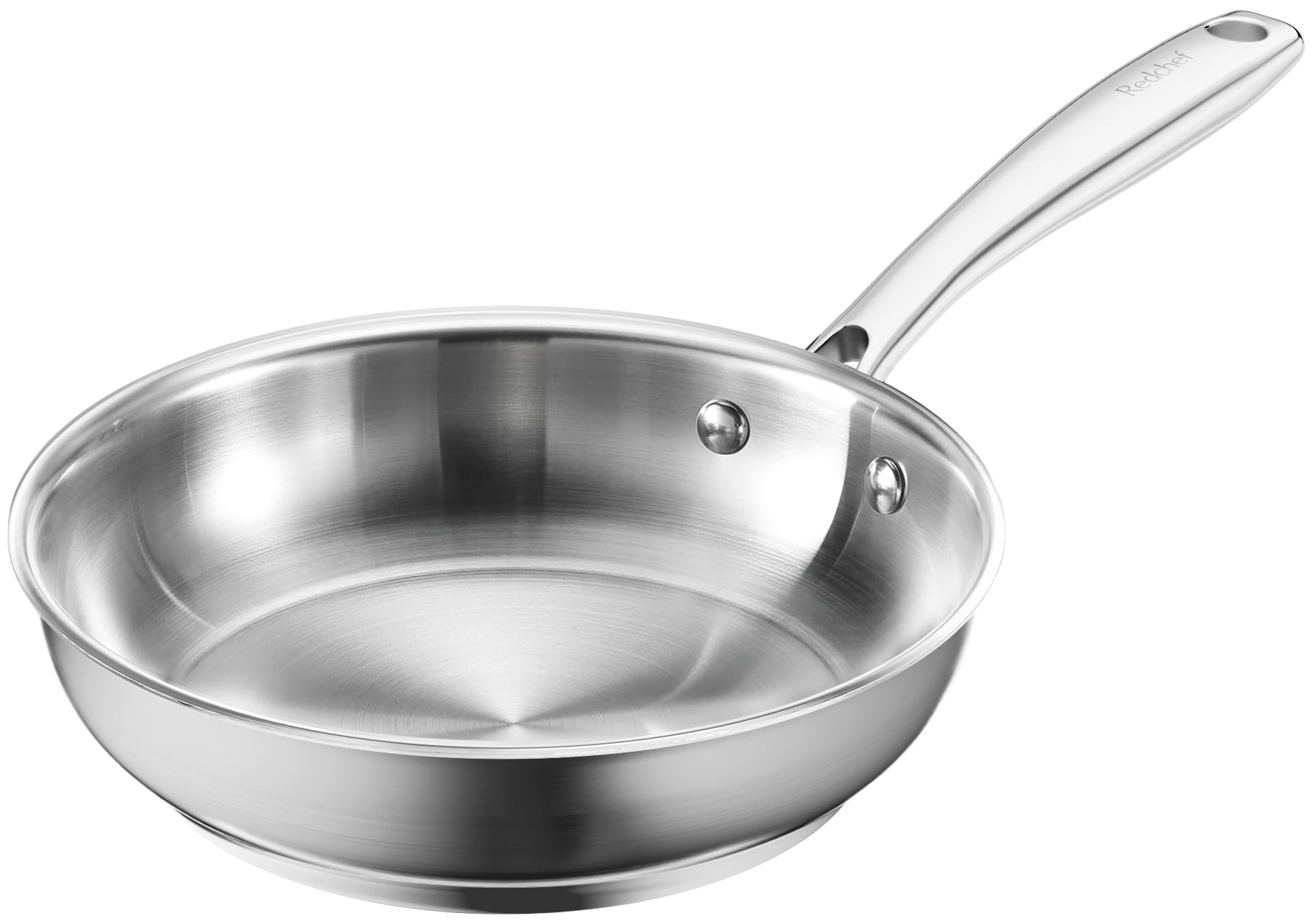 RedchefStainless Steel Frying Panstainless steelMaterial-based evidence · 95%Uncoated stainless steel frying pan explicitly free of PFOA and PFAS, ideal for TheUncoated catalog.
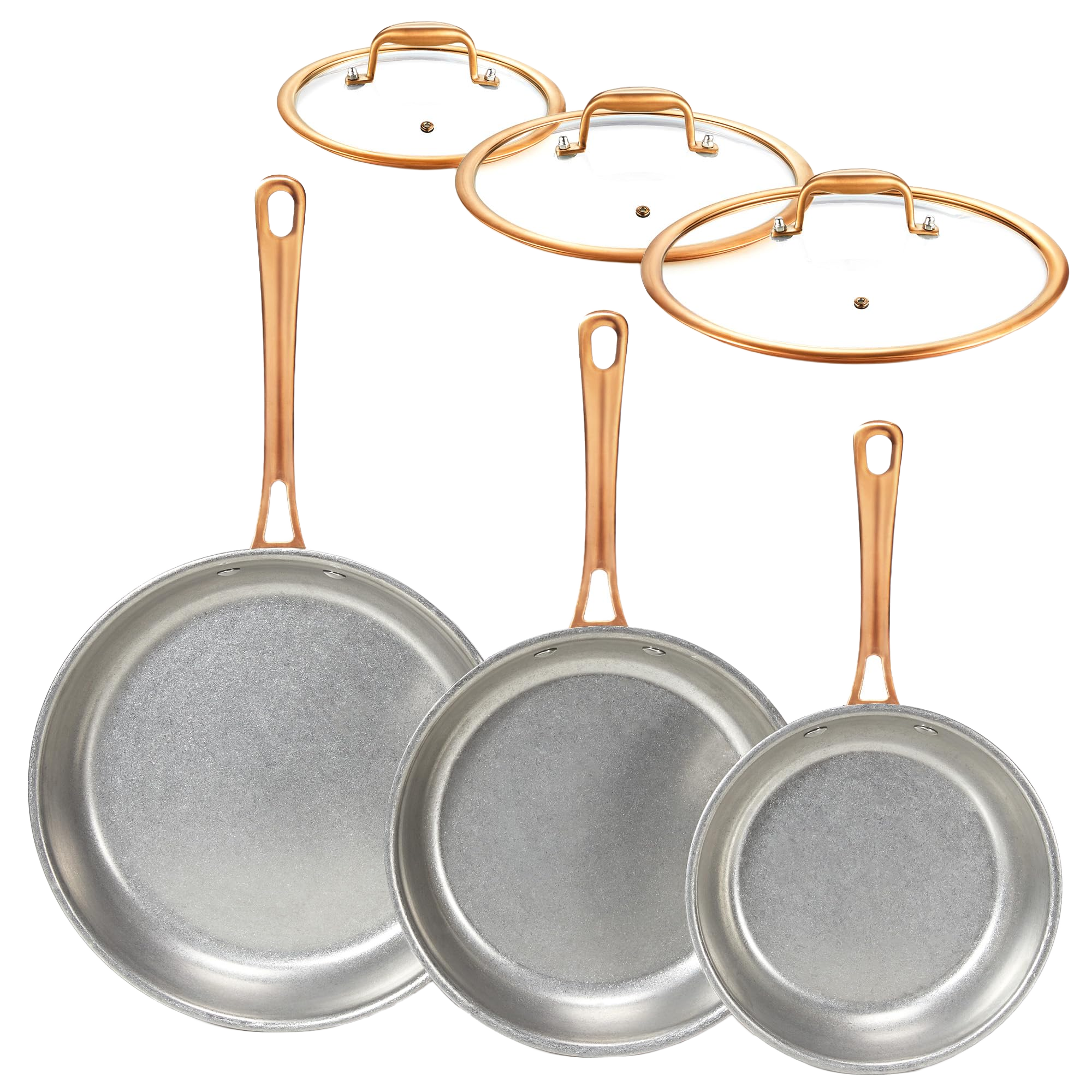 KOKHUBTri-Ply Stainless Steel Frying Pans SetTri-Ply Stainless Steel, uncoatedMaterial-based evidence · 90%Uncoated tri-ply stainless steel frying pans explicitly PFOA/PTFE/PFAS-free, suitable for TheUncoated catalog.
Practical Shopping Rules for PFAS-Free Cookware
Follow these rules to make informed choices when buying PFAS-free cookware:
Questions
What does 'PFAS-free' mean for cookware?
'PFAS-free' in cookware means the product does not contain per- and polyfluoroalkyl substances, a group of chemicals often used in traditional non-stick coatings like PTFE (Teflon). However, the term can be broad, so it's important to verify if it excludes all PFAS, including PFOA and PTFE, and to look for cookware made from inherently safe, uncoated materials like stainless steel or cast iron.
Is ceramic non-stick cookware truly PFAS-free?
Many ceramic-coated non-stick pans are marketed as PFAS-free, PFOA-free, and PTFE-free. While they typically do not use traditional PTFE coatings, the 'ceramic' coating itself is often a sol-gel non-stick layer that can degrade over time. The long-term safety and exact chemical composition of these coatings are not always fully transparent, making it difficult to definitively classify them as entirely free from all synthetic chemicals or potential microplastic shedding. For the highest confidence, uncoated options are preferred.
What are the safest materials for PFAS-free cookware?
The safest materials for PFAS-free cookware are those that are inherently uncoated and inert. These include: stainless steel (especially multi-ply for even heating), cast iron (seasoned with natural oils), and glass. These materials do not rely on synthetic coatings for their function and are highly durable.
How can I tell if my current cookware contains PFAS?
If your cookware has a slick, non-stick surface and was purchased before recent shifts in manufacturing, it likely contains PFAS, particularly PTFE. Even if it claims to be PFOA-free, it may still contain other PFAS chemicals. The best way to know for sure is to check the manufacturer's specifications or material disclosures. If in doubt, switching to known PFAS-free materials is the safest approach.
Do stainless steel and cast iron cookware need special care?
Yes, stainless steel and cast iron cookware benefit from proper care. Stainless steel generally requires a bit more oil to prevent sticking and can be cleaned with mild soap and water. Cast iron needs to be seasoned regularly with oil to maintain its natural non-stick properties and prevent rust. Both materials are highly durable and can last for decades with good care.