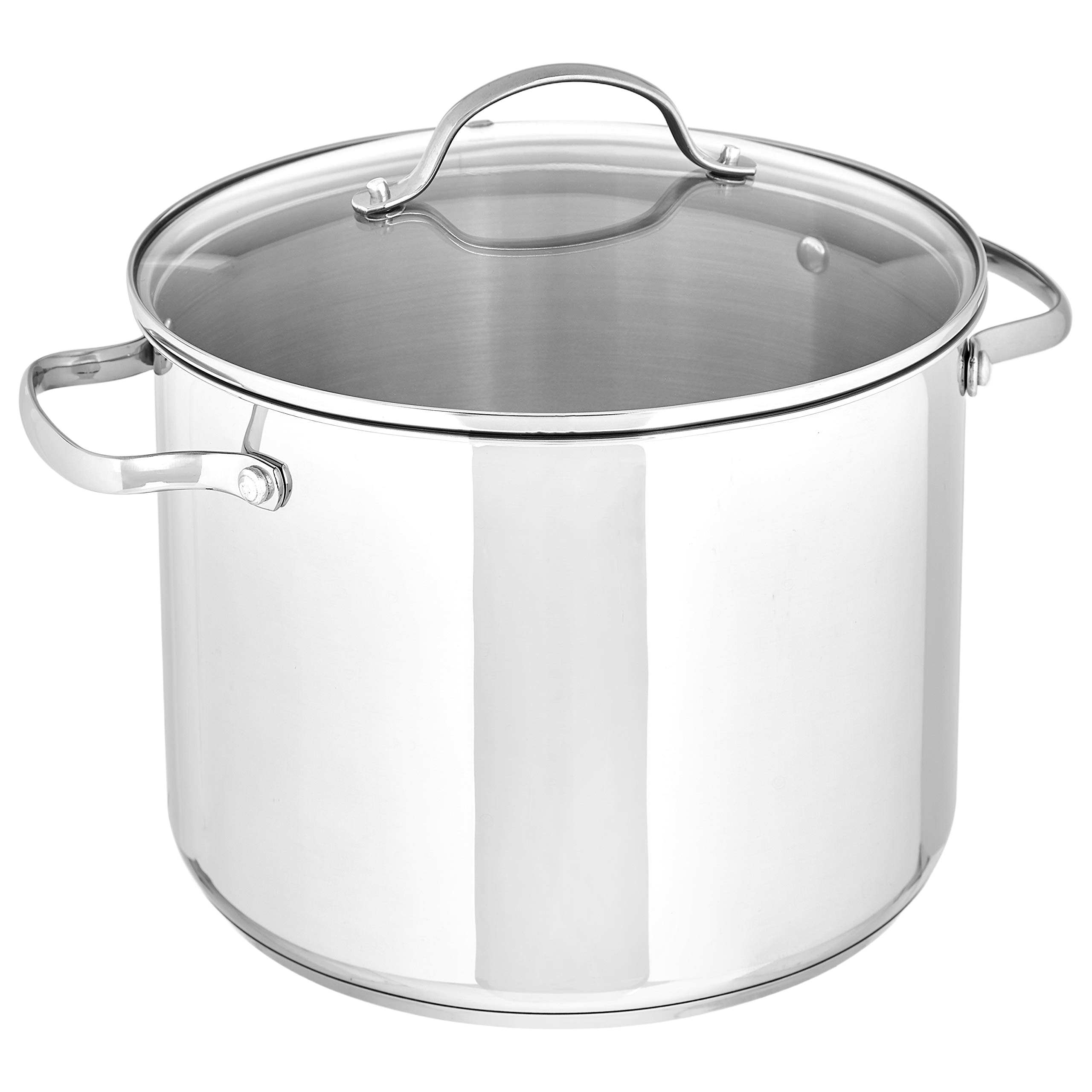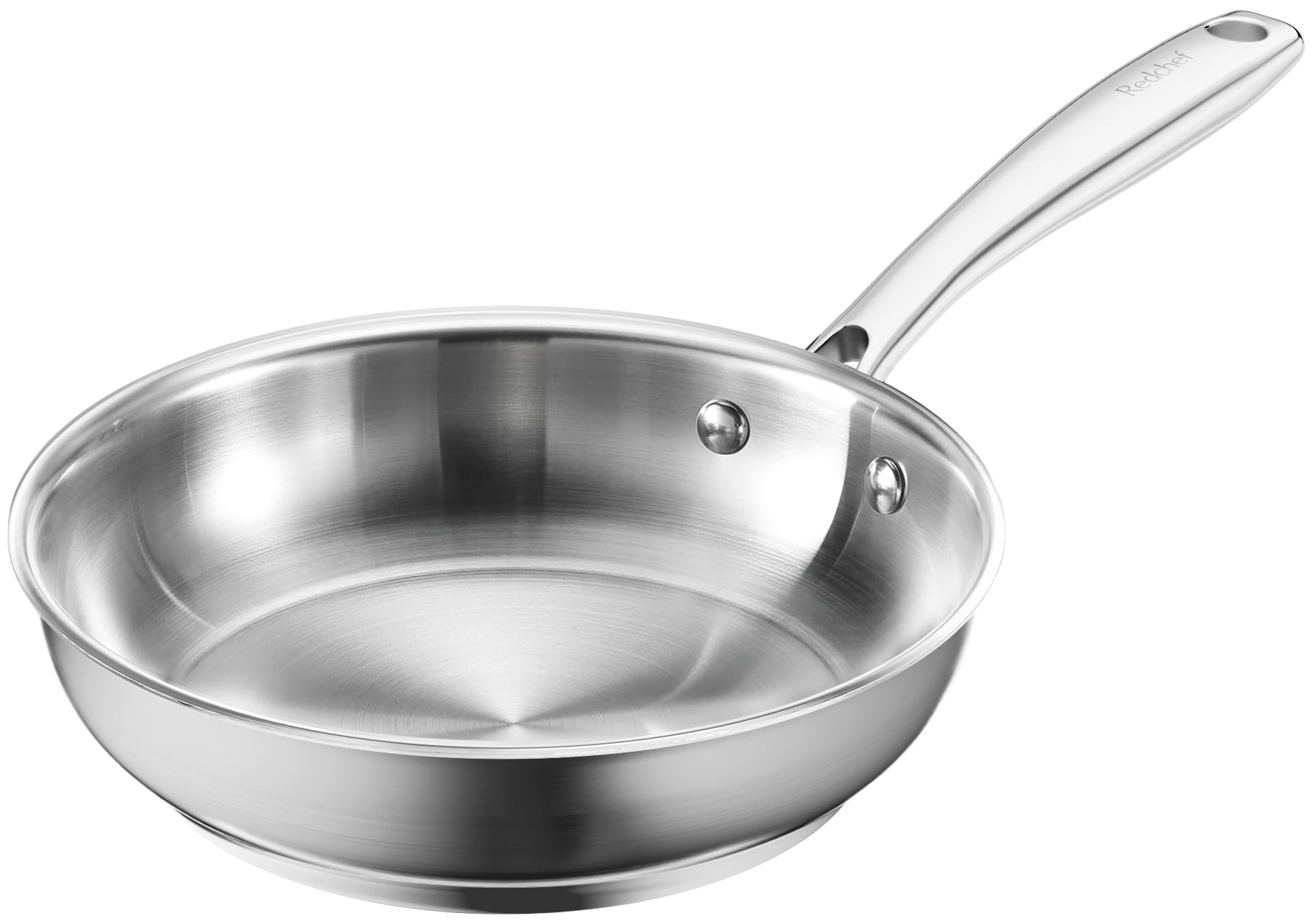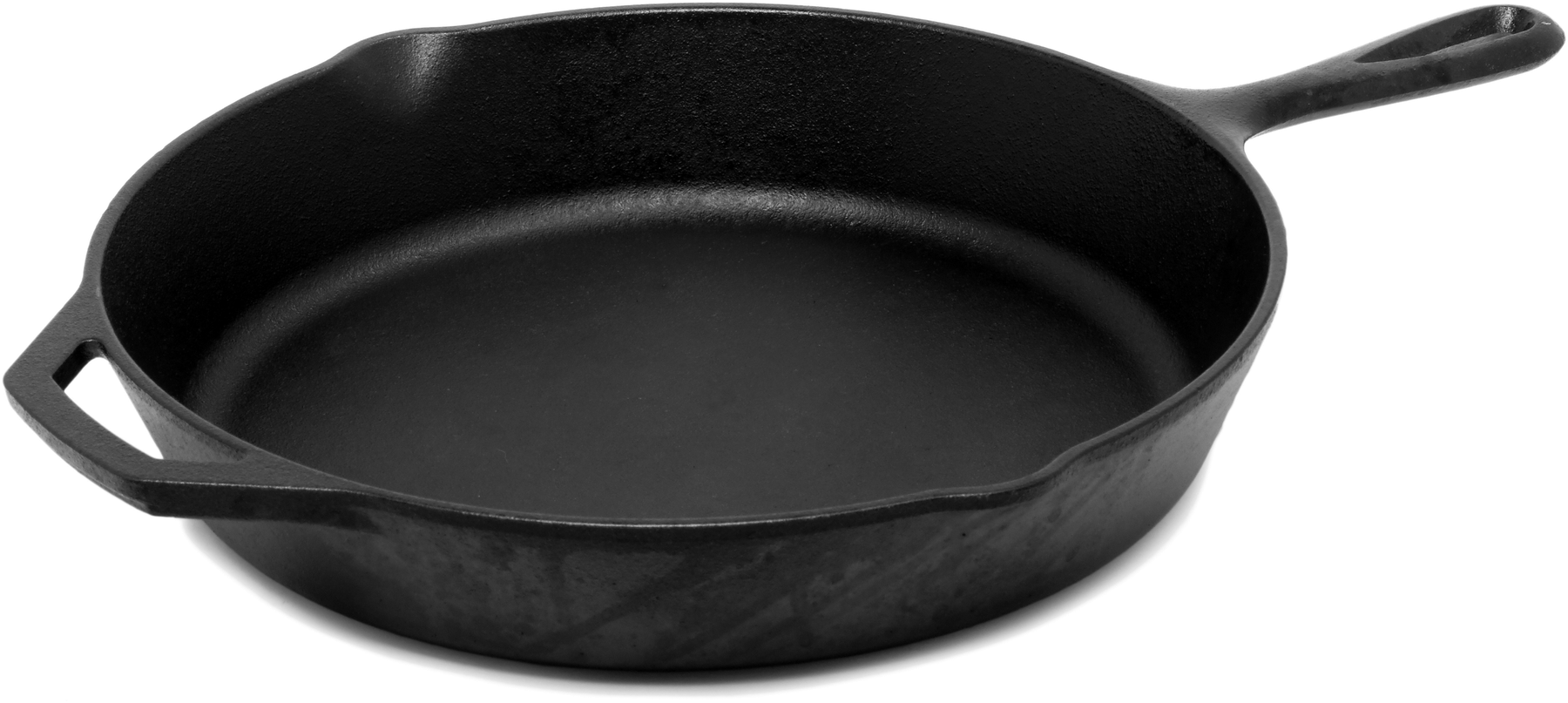
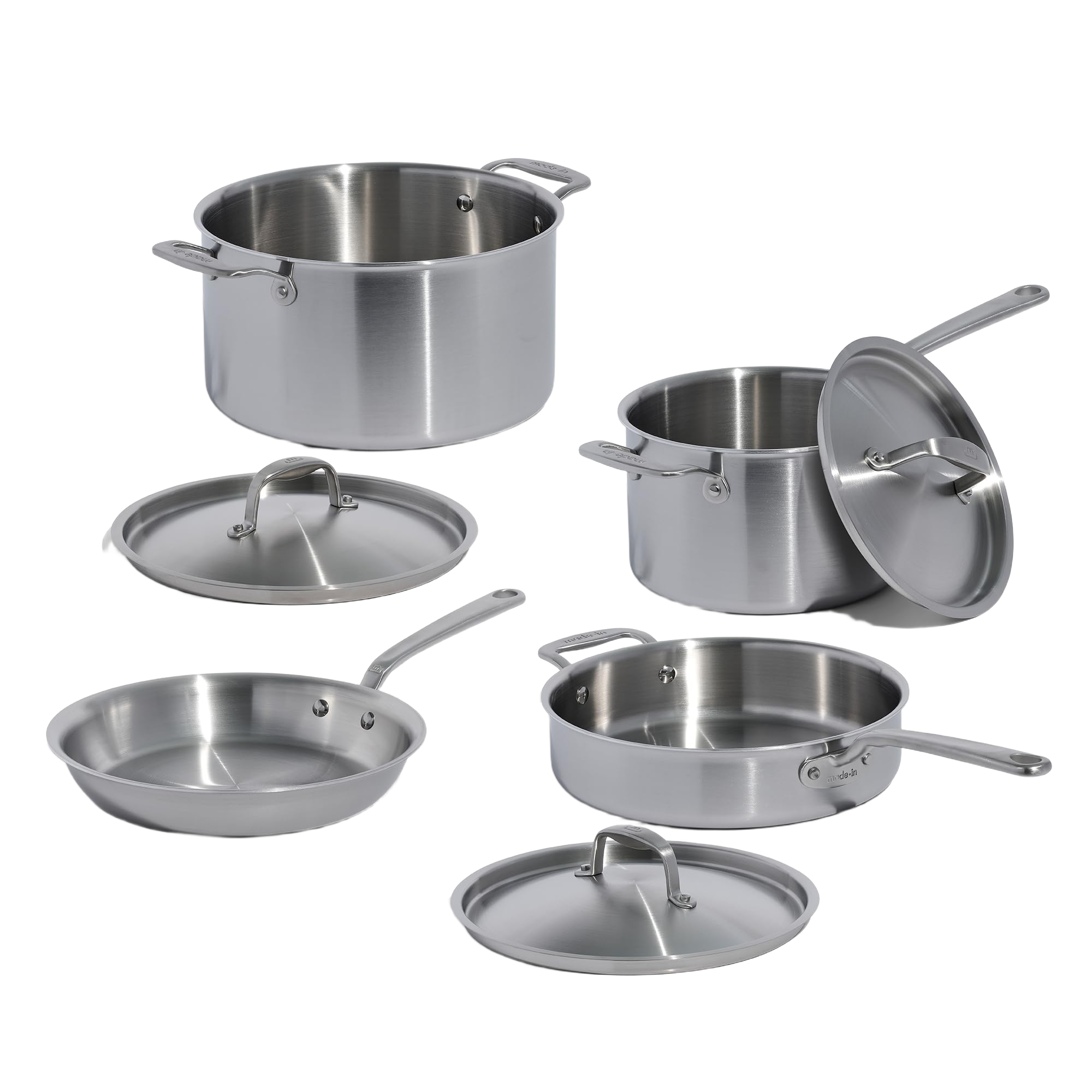
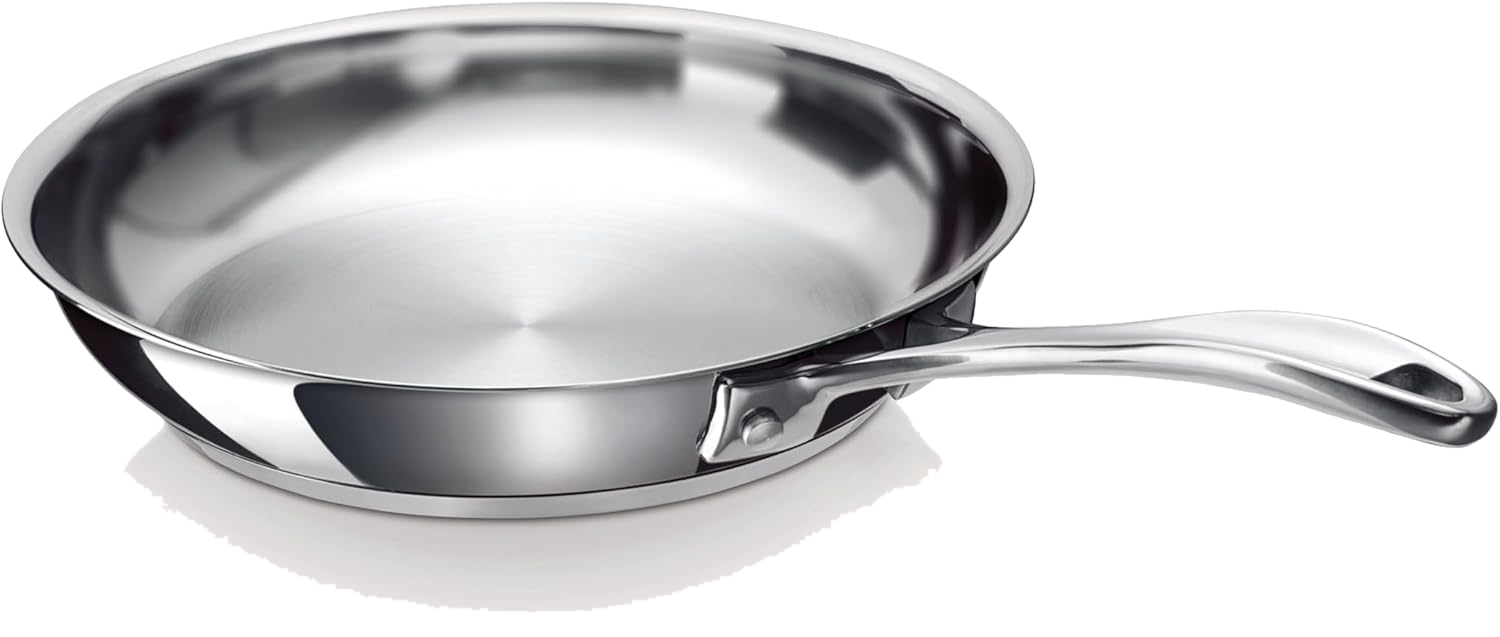
The short version
If your goal is to avoid PFAS-style nonstick coatings, the safest cookware shortlist is simple: uncoated stainless steel for daily searing and sauces, bare cast iron for high-heat cooking and durability, carbon steel for a lighter seasoned surface, and enameled cast iron when you want a low-maintenance pot without synthetic nonstick. These materials are not automatically perfect, but they avoid the central compromise of conventional nonstick: a slick coating that can wear, scratch, overheat, or be hard to verify from a retail listing.
This guide is intentionally conservative. It does not treat every "non-toxic" or "ceramic" claim as equal. It favors material classes that are easy to inspect, easy to maintain, and less dependent on proprietary coating chemistry.
Why nonstick claims need extra scrutiny
PFAS have been used because they can make surfaces resist oil, water, grease, and sticking. Public-health agencies list nonstick cookware among consumer products where PFAS may appear, and Washington State health guidance specifically recommends stainless steel or cast iron as lower-exposure replacements when people want to move away from PFAS-containing nonstick pans.
The nuance matters: the FDA says authorized nonstick cookware coatings are polymerized and tightly bound during manufacturing, with studies showing negligible migration to food. That does not make every retail pan a good long-term buy. Overheating, scratching, unclear coating identity, and vague marketing still make coated cookware a category where shoppers should read claims carefully.
Best materials by cooking job
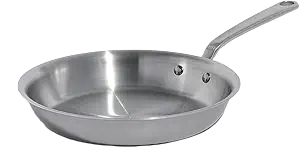
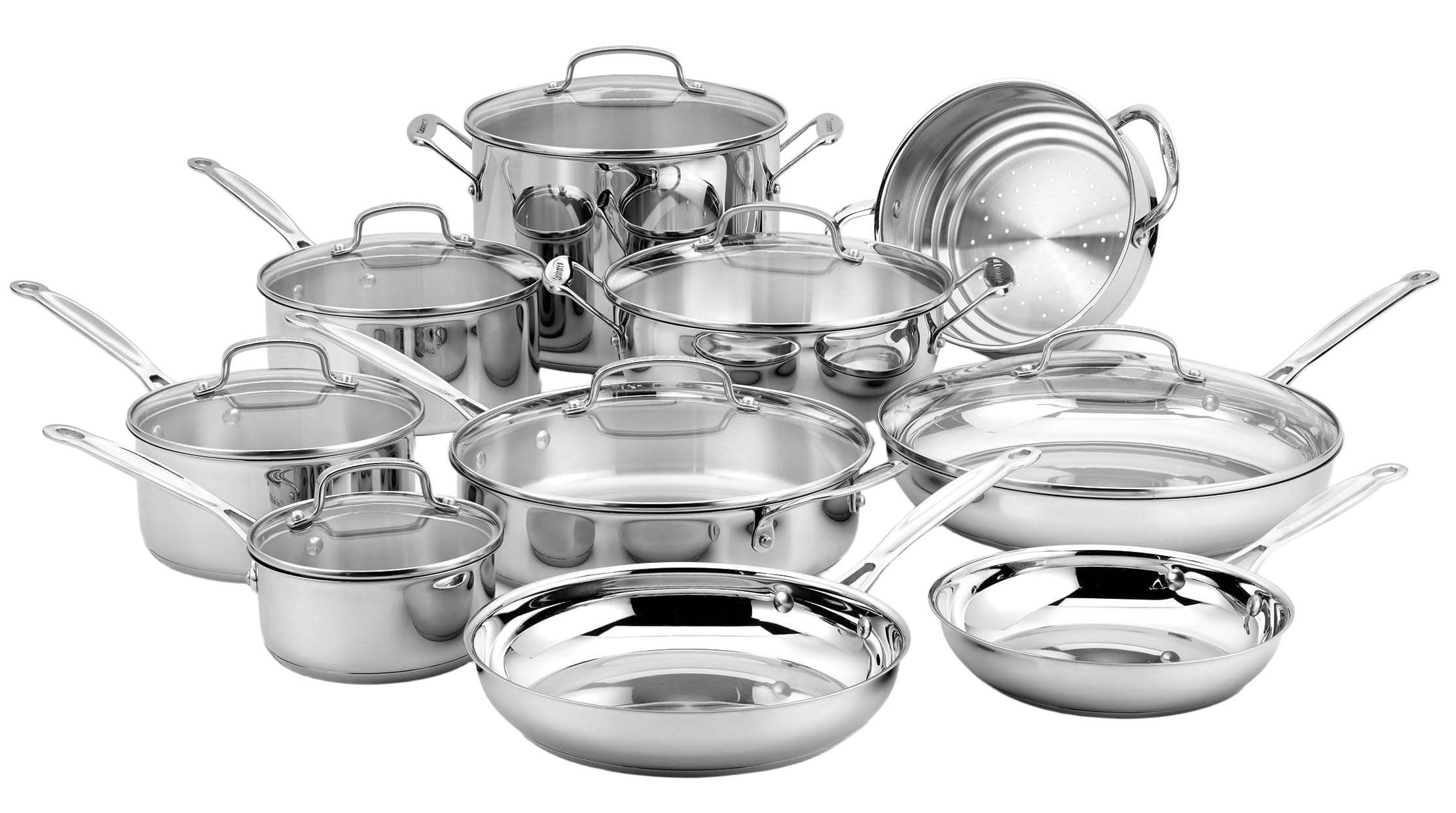
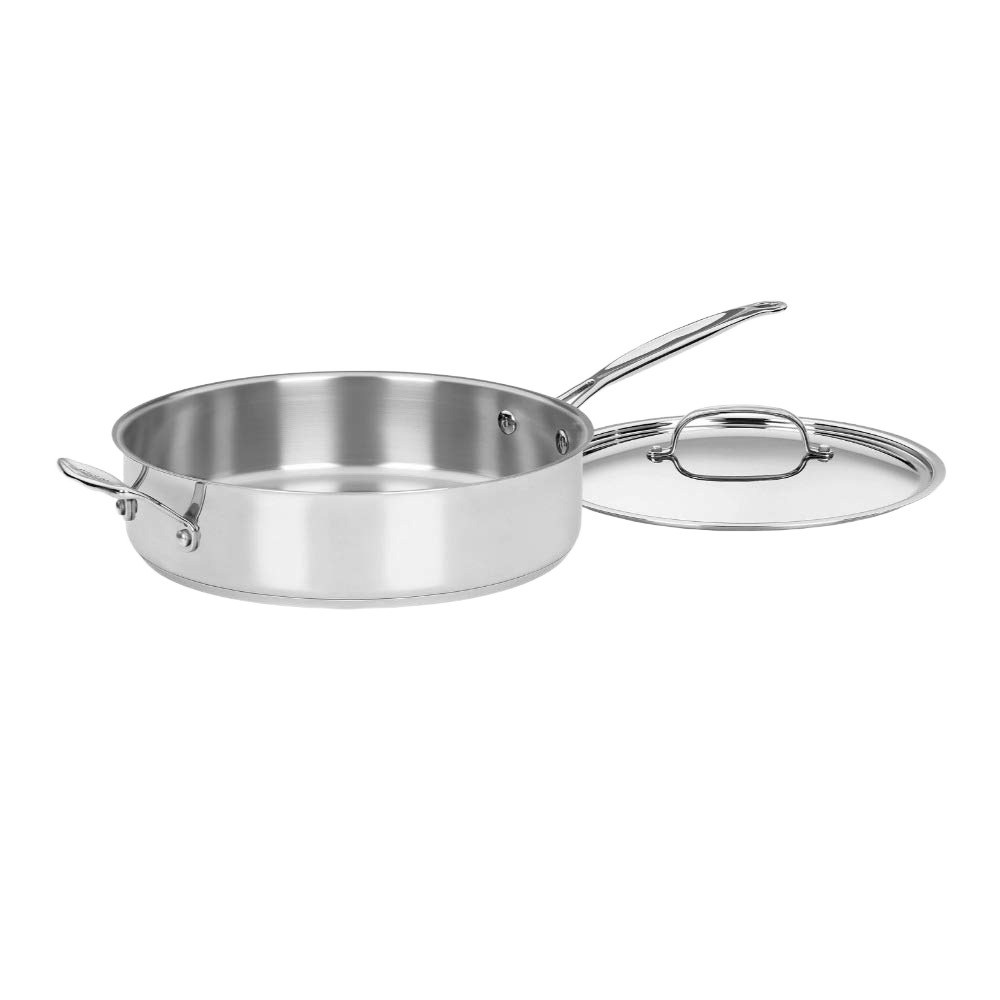
Stainless steel is the best first pan for most homes because it can brown food well, tolerate acidic sauces, and go from stovetop to oven without a synthetic slick layer. The tradeoff is technique: preheat the pan, use enough fat, and let proteins release naturally before turning them.
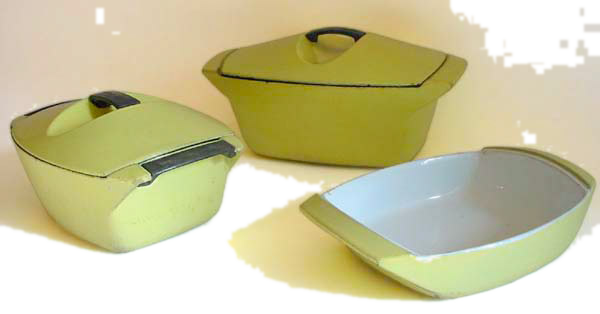
Cast iron is the durability pick. It is inexpensive, repairable, and excellent for high heat, but it needs drying and seasoning care. Enameled cast iron is better for braises, soups, and acidic foods because the glassy enamel surface is easier to clean and does not rely on a built-up seasoning layer.
Carbon steel sits between stainless and cast iron. It is usually lighter than cast iron and seasons into a useful cooking surface, but it still asks for maintenance. True ceramic bakeware and glass storage are useful in the wider kitchen, but many "ceramic nonstick" pans are still coated pans, so the exact coating claim matters.
What to avoid or verify before buying
Avoid treating "PFOA-free" as the same thing as PFAS-free. PFOA is one specific PFAS, while PFAS is a much larger chemical family. Also be careful with claims such as "granite," "stone," "diamond," "ceramic," or "healthy nonstick" when the page does not clearly identify the food-contact surface.
For any coated pan, look for a direct PFAS-free and PTFE-free statement from the manufacturer, not only a marketplace bullet. If the pan already has chips, deep scratches, peeling, or a roughened coating, replace it. If you keep conventional nonstick around, use low to medium heat, silicone or wooden utensils, and non-abrasive cleaning tools.
How TheUncoated chooses cookware
TheUncoated gives more weight to products where the food-contact material is visible and boring: stainless steel, cast iron, carbon steel, glass, or enamel. A product can still be useful with a brand claim, but it is treated as weaker evidence than a material class that does not need a nonstick chemistry claim to make sense.
The picks below are not a lab certification. They are a buyer-friendly shortlist built from material signals, product descriptions, category risk, and manual review. The goal is to help you choose cookware that is easier to verify and easier to keep using for years.
Questions
Is stainless steel cookware PFAS-free?
Uncoated stainless steel does not need a PFAS-style nonstick coating to work. The main thing to verify is that the cooking surface is stainless steel, not a coated nonstick surface marketed with stainless trim.
Is ceramic nonstick the same as ceramic cookware?
No. Traditional ceramic or glassy enamel surfaces are different from many modern ceramic nonstick coatings. If the product is a slick nonstick pan, read the coating claim and verify whether the brand says it is PFAS-free and PTFE-free.
Should I throw away every nonstick pan?
Not automatically. If you keep one, avoid overheating it, use wooden or silicone utensils, and replace it if the coating is scratched, chipped, or peeling. For new purchases, stainless steel, cast iron, carbon steel, and enameled cast iron are easier long-term choices.