Navigating Your Kitchen for PFAS-Free Choices
Per- and polyfluoroalkyl substances (PFAS) are a group of human-made chemicals that have been used in various consumer products since the 1940s. These "forever chemicals" are known for their resistance to heat, oil, stains, grease, and water, making them popular in nonstick cookware, food packaging, and water-repellent fabrics. However, growing concerns about their persistence in the environment and potential health effects have led many to seek PFAS-free alternatives, especially in the kitchen where these chemicals can come into direct contact with food and drink. This guide will help you identify and choose kitchen products that are free from PFAS, ensuring a safer and healthier home environment.
Understanding PFAS in Kitchen Products
PFAS can be found in a surprising number of kitchen items. The most well-known application is in nonstick cookware, where chemicals like PTFE (a type of PFAS often branded as Teflon) create a slick surface that prevents food from sticking. Beyond cookware, PFAS can also be present in food packaging, certain kitchen appliances, and even some food storage solutions. The primary concern with PFAS is their ability to migrate from products into food, and subsequently into our bodies. Once ingested, these chemicals can accumulate over time and have been linked to various health issues. Opting for PFAS-free products is a proactive step towards reducing your exposure and creating a healthier kitchen.
PFAS-Free Cookware: The Foundation of a Healthy Kitchen
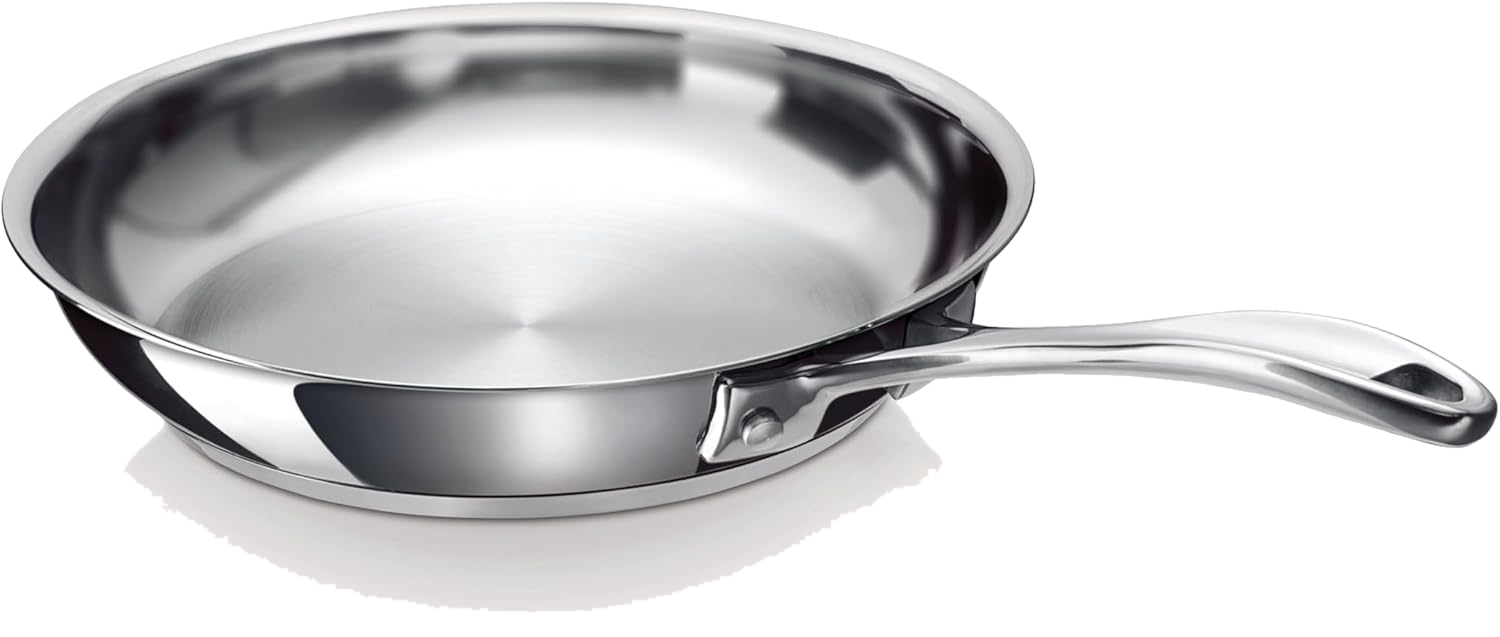
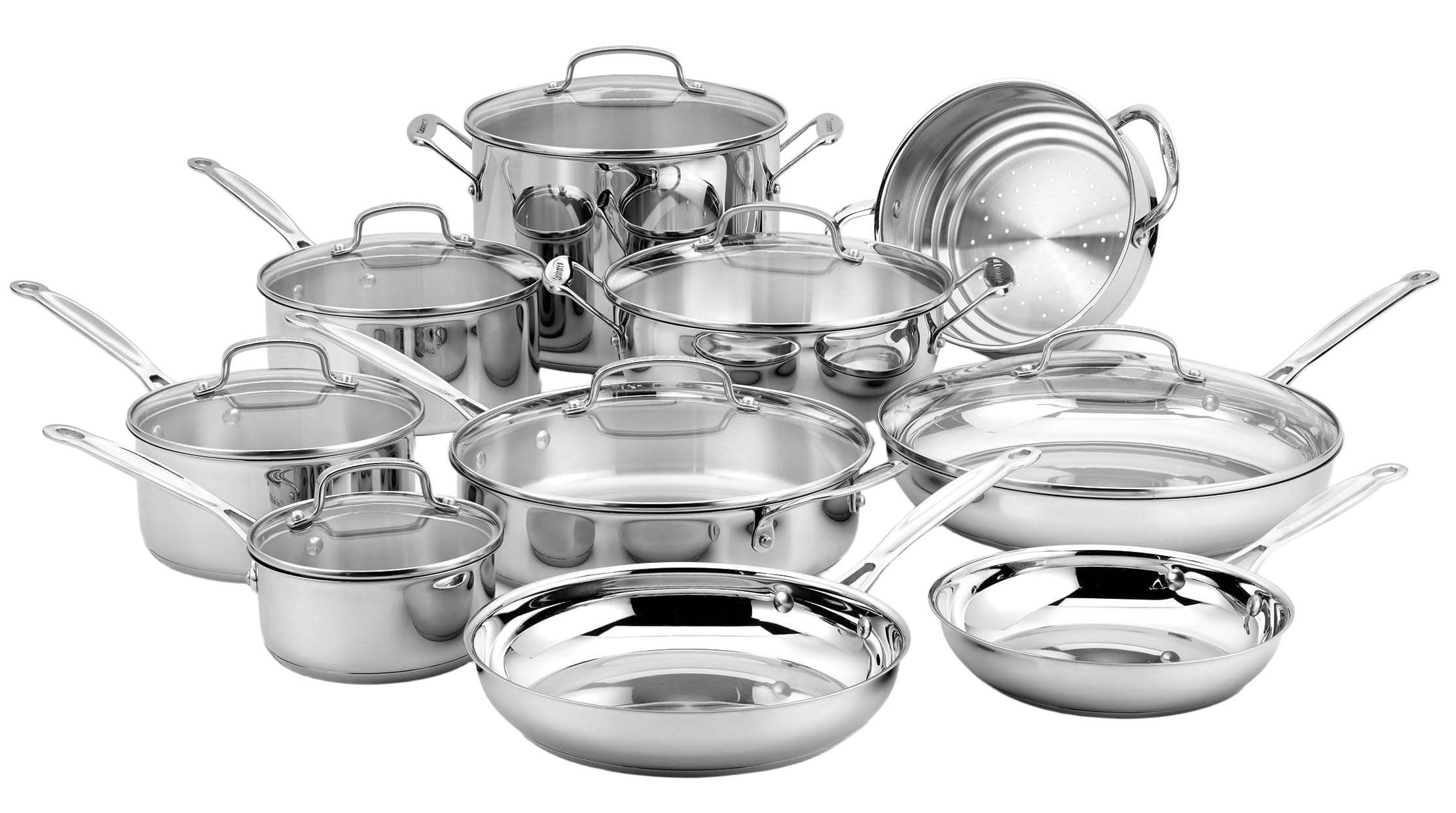
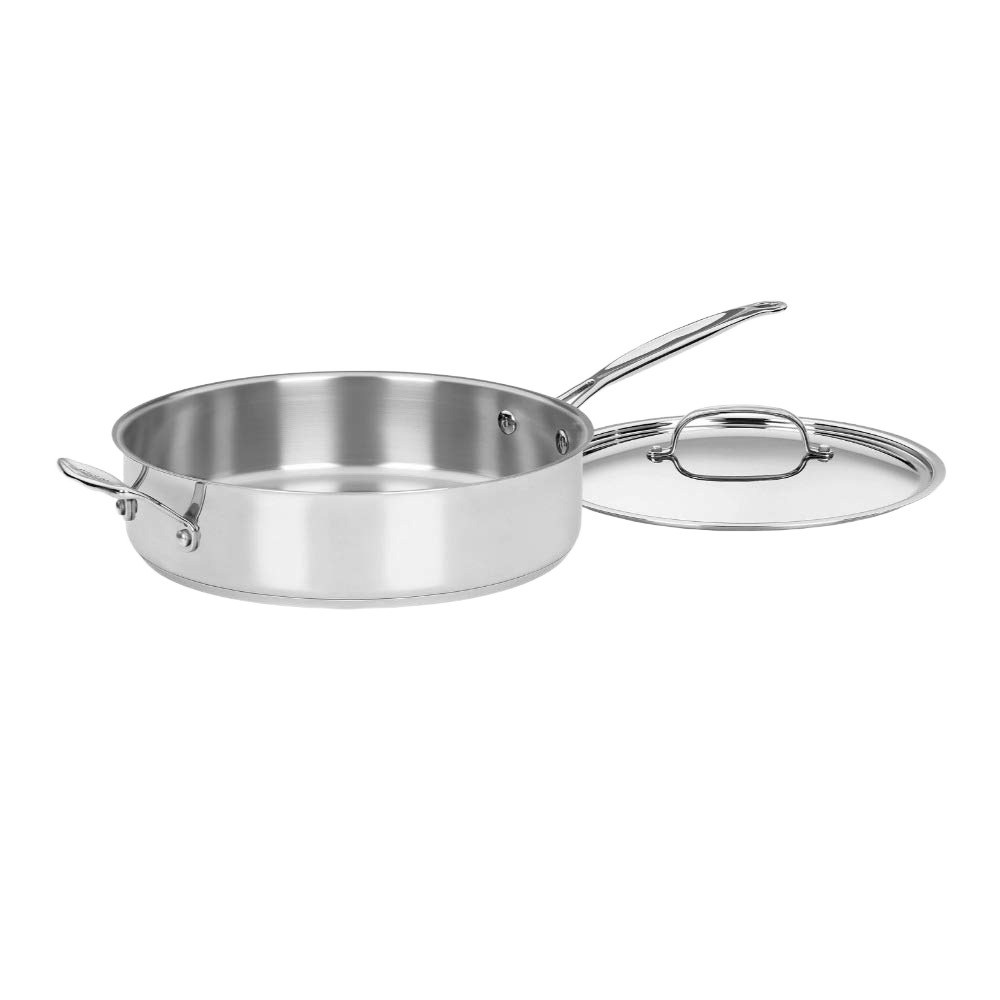
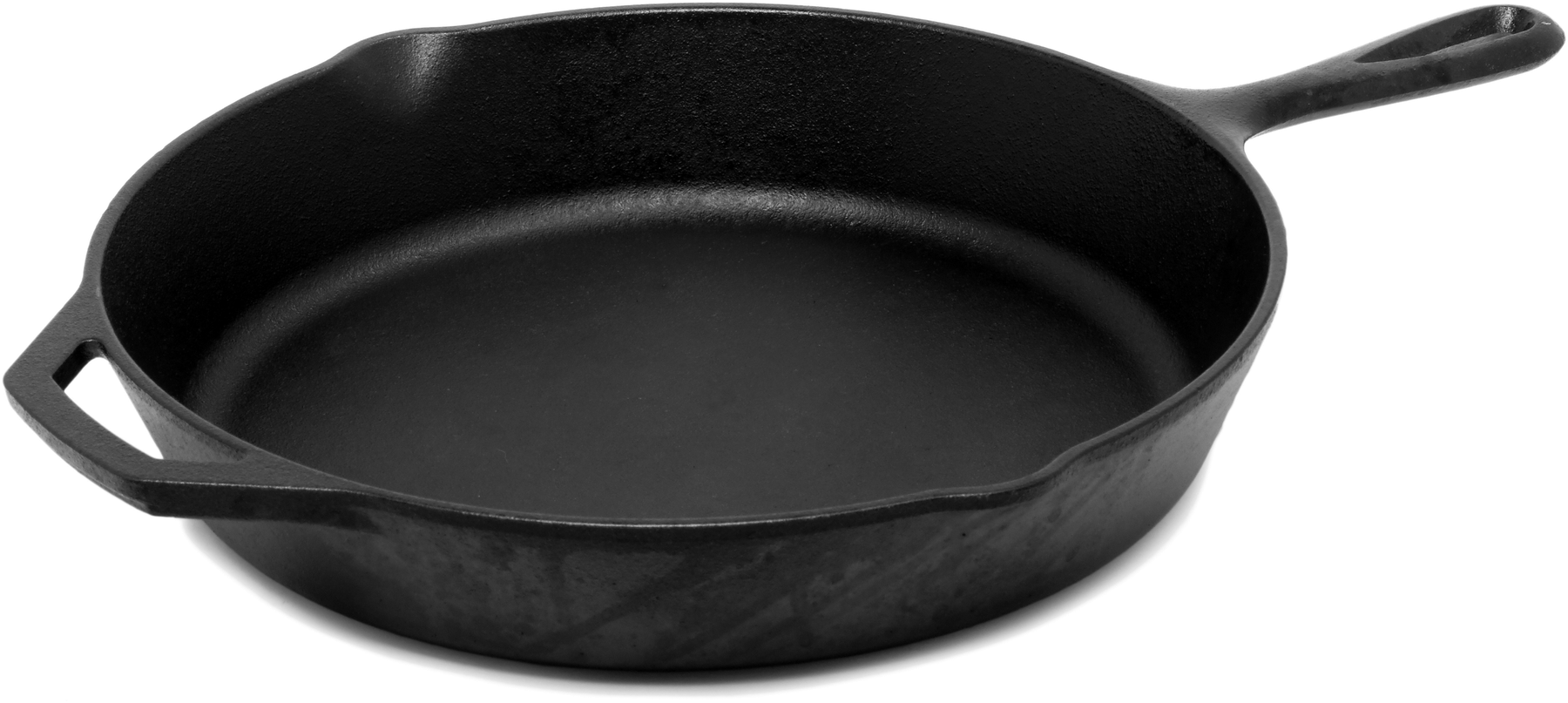
When it comes to cookware, avoiding PFAS primarily means steering clear of traditional nonstick coatings. The good news is that there are excellent, durable, and safe alternatives available. Stainless steel and cast iron are long-standing favorites that offer superior cooking performance without any chemical coatings. Newer ceramic-coated options also claim to be PFAS-free, offering a nonstick experience with different material compositions.
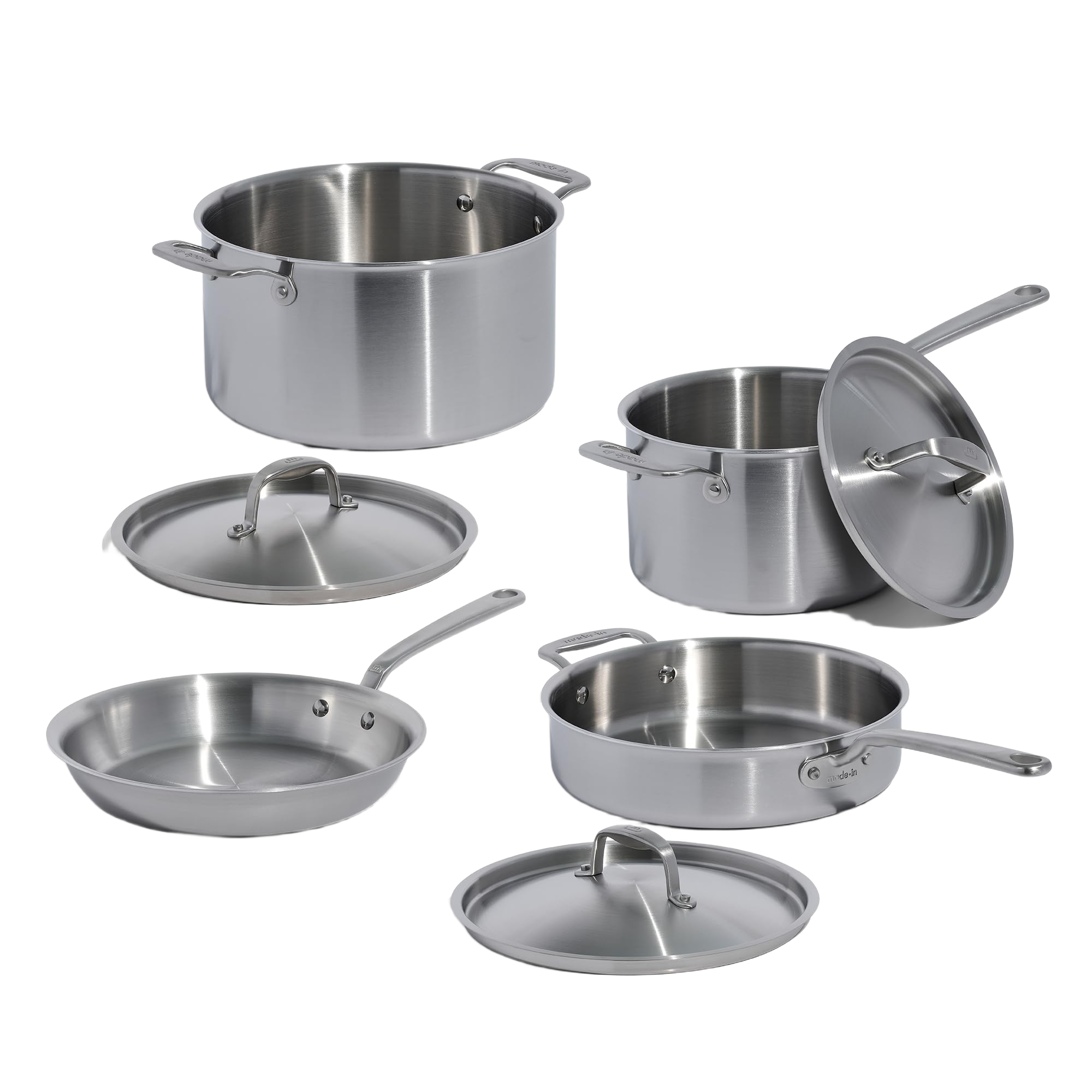 Made InCookware – 7 Piece Stainless Steel Cookware Set – 5-Ply Stainless Clad – Includes Frying P5-Ply Stainless CladMaterial-based evidence · 95%Uncoated 5-ply stainless steel cookware with no PFAS, PTFE, or PFOA; professional-grade and induction compatible.
 Made In10-Inch Stainless Steel Frying Pan5-ply stainless steelManufacturer source · 95%Manufacturer explicitly states all Stainless Clad pieces are made without PFAS, PFOA, PTFE; premium uncoated stainless steel construction.
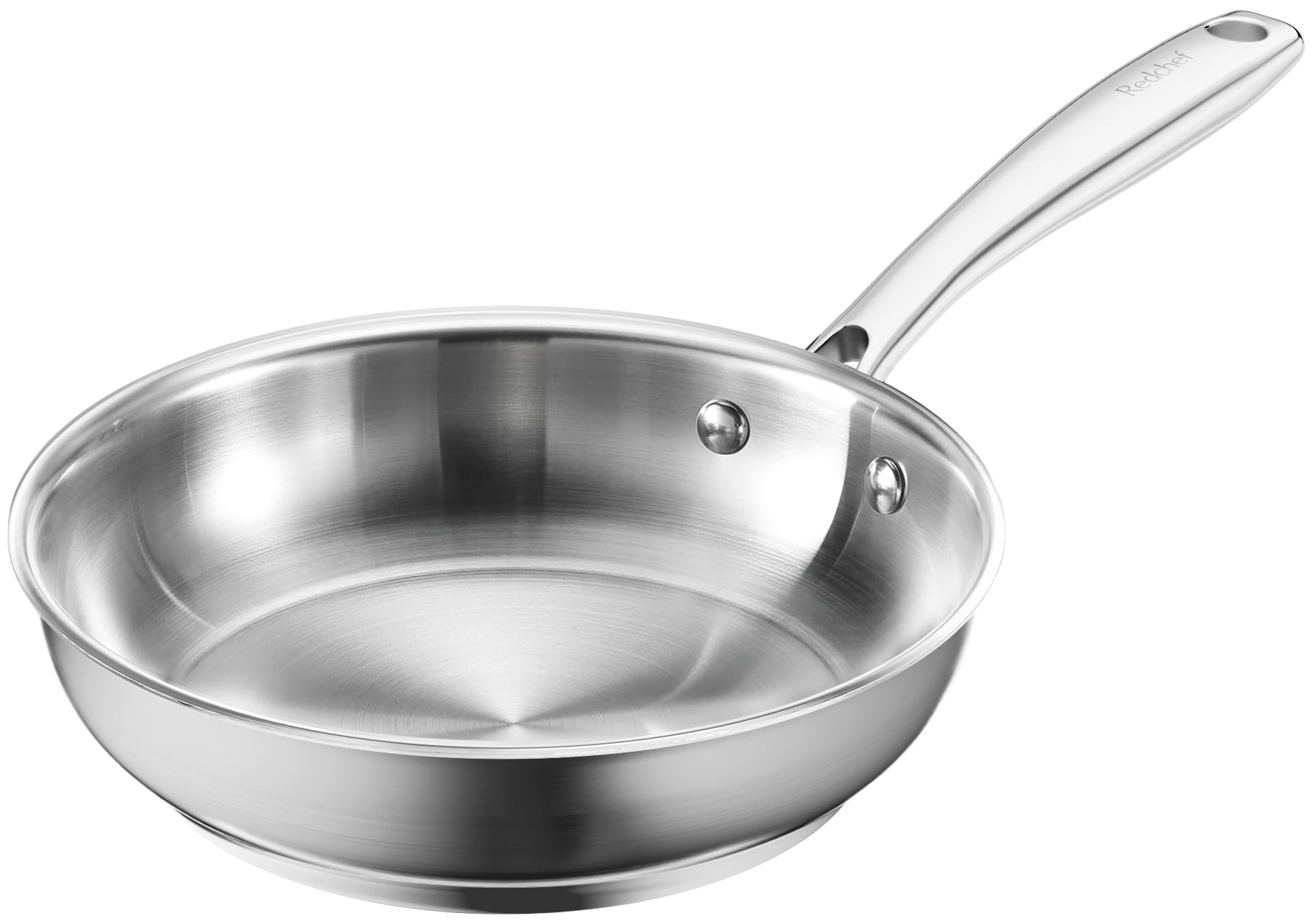 RedchefStainless Steel Frying Panstainless steelMaterial-based evidence · 95%Uncoated stainless steel frying pan explicitly free of PFOA and PFAS, ideal for TheUncoated catalog.
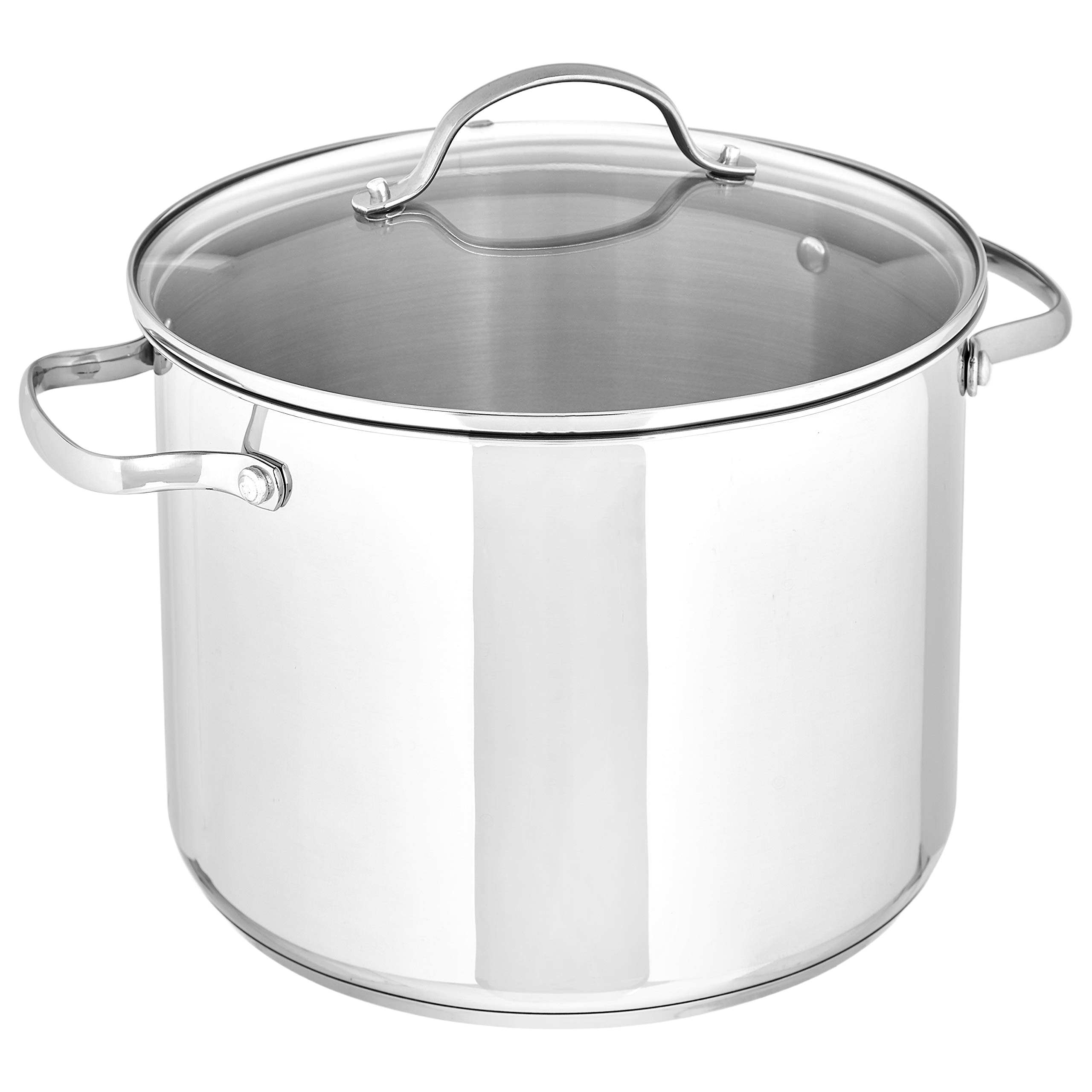 Amazon BasicsStainless Steel Induction Compatible Stock Pot with Glass Lidheavy-gauge stainless steel with aluminum-encapsulated baseMaterial-based evidence · 95%Uncoated stainless steel stock pot with no mention of PFAS, PTFE, or non-stick coatings; ideal low-risk cookware for TheUncoated.
Safe Food Storage Solutions
Storing food safely is just as important as cooking it. Many plastic food storage containers and even some food wraps can contain PFAS. Switching to materials like glass and stainless steel for your food storage needs can significantly reduce your exposure. These materials are non-reactive, durable, and won't leach harmful chemicals into your food. Look for containers with airtight seals made from silicone, which is generally considered a safer alternative to plastic for food contact.
PFAS-Free Food Storage: Keeping Your Food Fresh and Safe
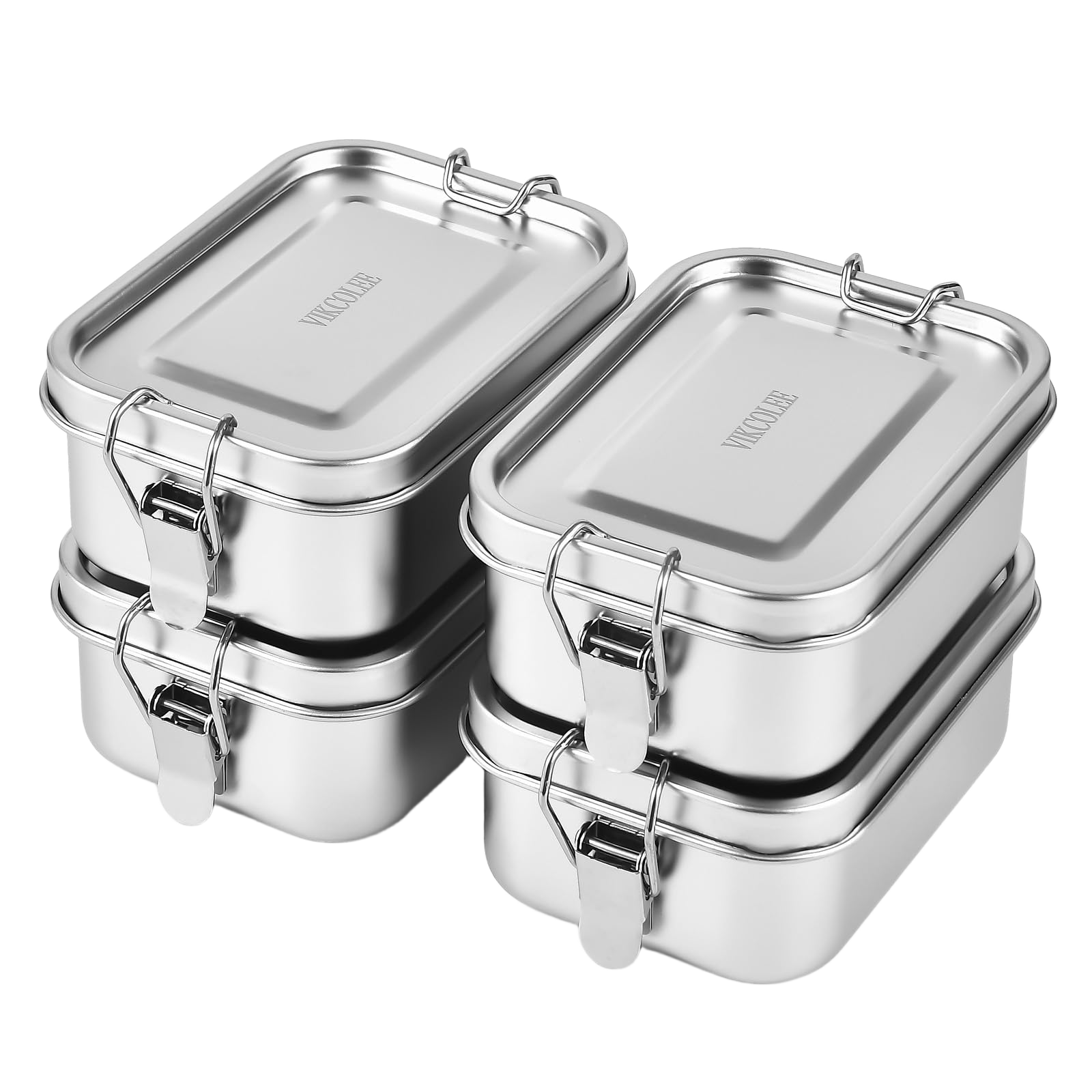
From meal prep to leftovers, PFAS-free food storage options are abundant and practical. Glass containers are excellent for visibility and versatility, moving seamlessly from fridge to microwave or oven. Stainless steel containers offer durability and are perfect for on-the-go meals. For bags, look for plant-based, compostable options that explicitly state they are PFAS-free.
Hydration: PFAS-Free Drinkware and Water Filters
The way we drink water and other beverages can also contribute to PFAS exposure. Many plastic water bottles and some insulated mugs may contain these chemicals. Choosing reusable drinkware made from glass or stainless steel is a simple yet effective way to avoid PFAS. Additionally, certain water filters are designed to specifically remove PFAS from tap water, providing an extra layer of protection.
PFAS-Free Hydration: Drink Clean, Live Clean
Staying hydrated is essential, and doing so with PFAS-free drinkware ensures your water remains pure. Our selection includes durable glass bottles, some with protective silicone sleeves, and robust stainless steel options. For those concerned about tap water quality, reverse osmosis systems with glass carafes offer a comprehensive solution.
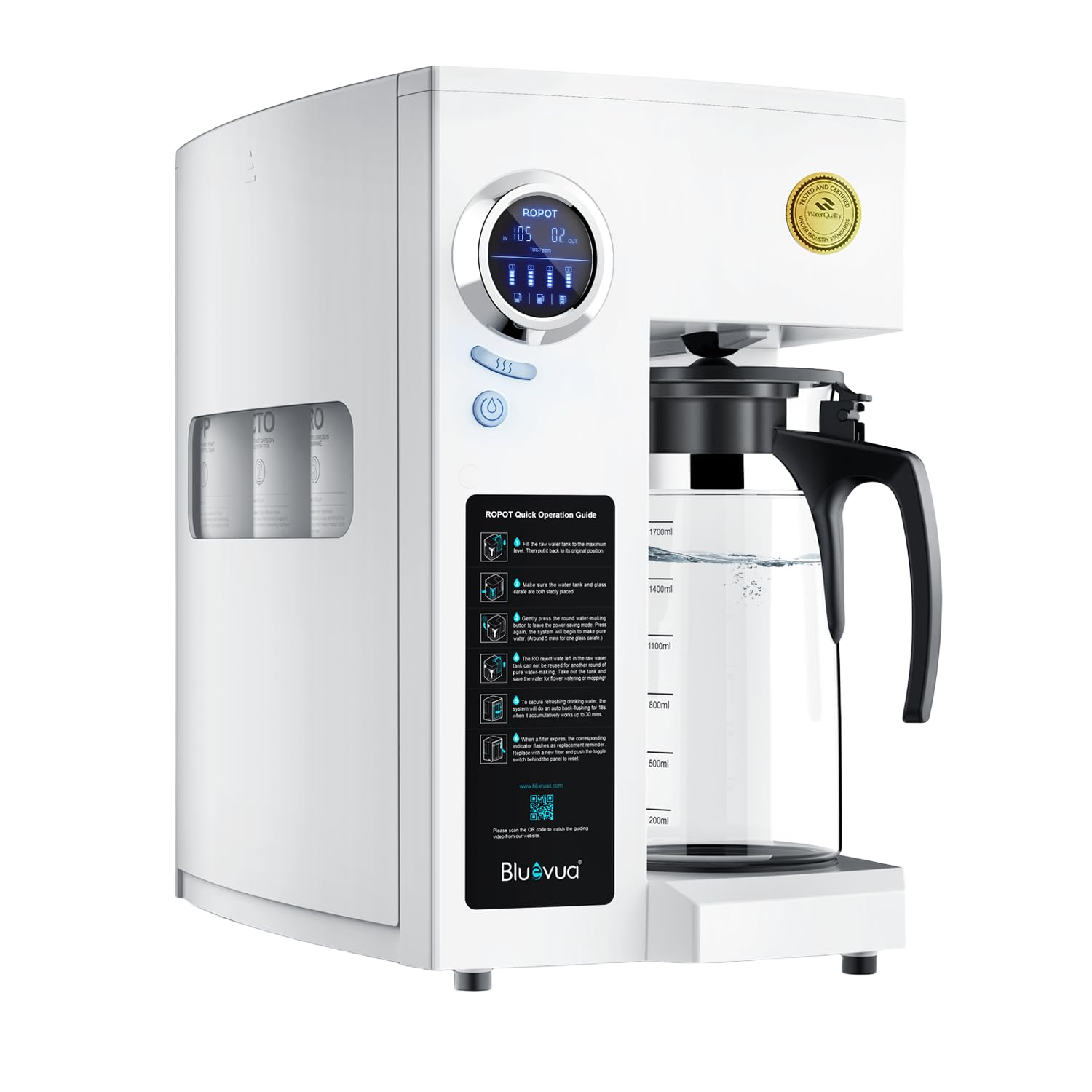 BluevuaRO100ROPOT Countertop Reverse Osmosis Water Filter SystemBorosilicate Glass CarafeMaterial-based evidence · 95%High borosilicate glass carafe avoids plastic leaching; RO filtration reduces PFAS; WQA lead-free certified with third-party PFAS reduction tests.
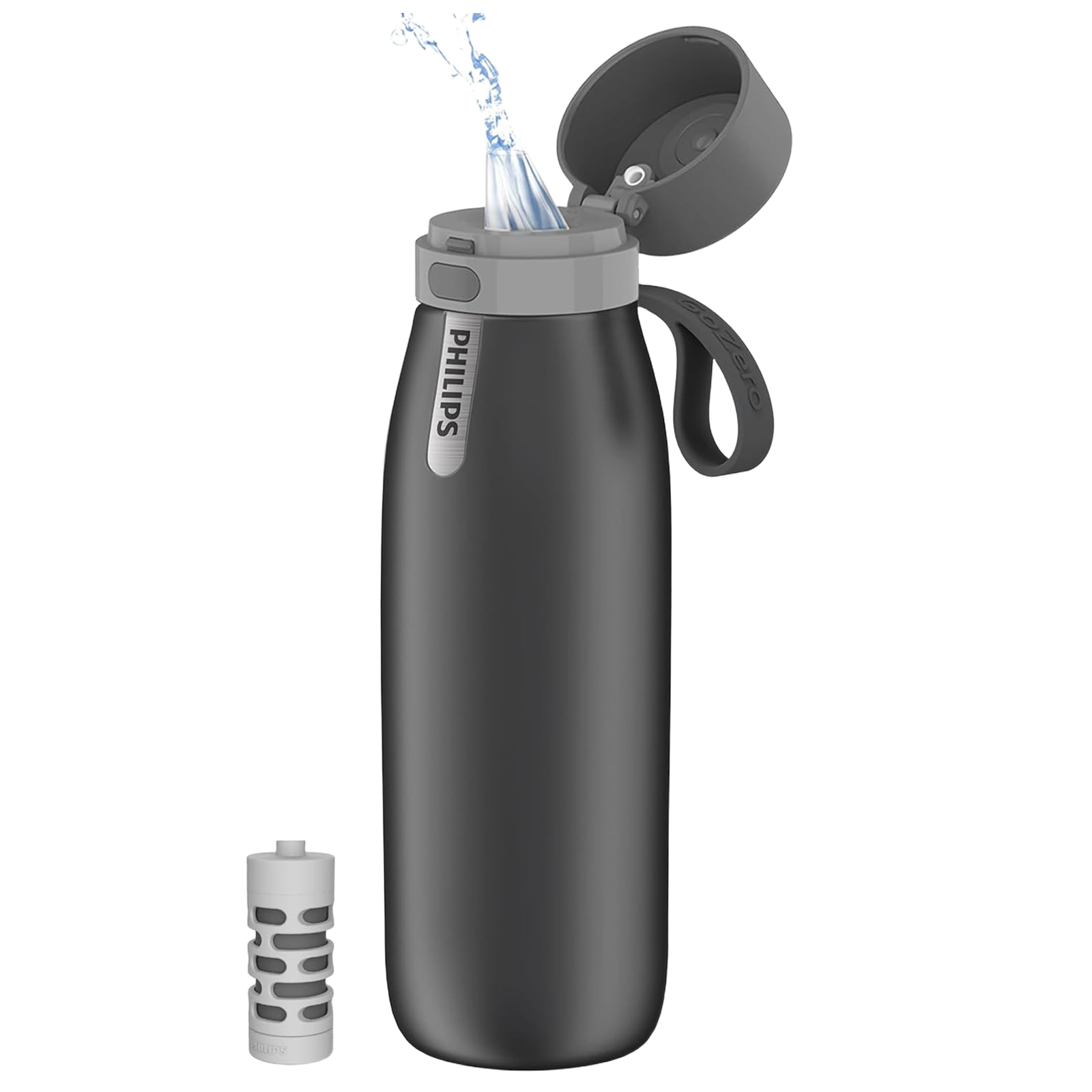 PhilipsWater Bottle with Filter18/8 food-grade stainless steelMaterial-based evidence · 95%Made of food-grade 18/8 stainless steel with double-wall vacuum insulation; no PFAS coatings or red flags mentioned.
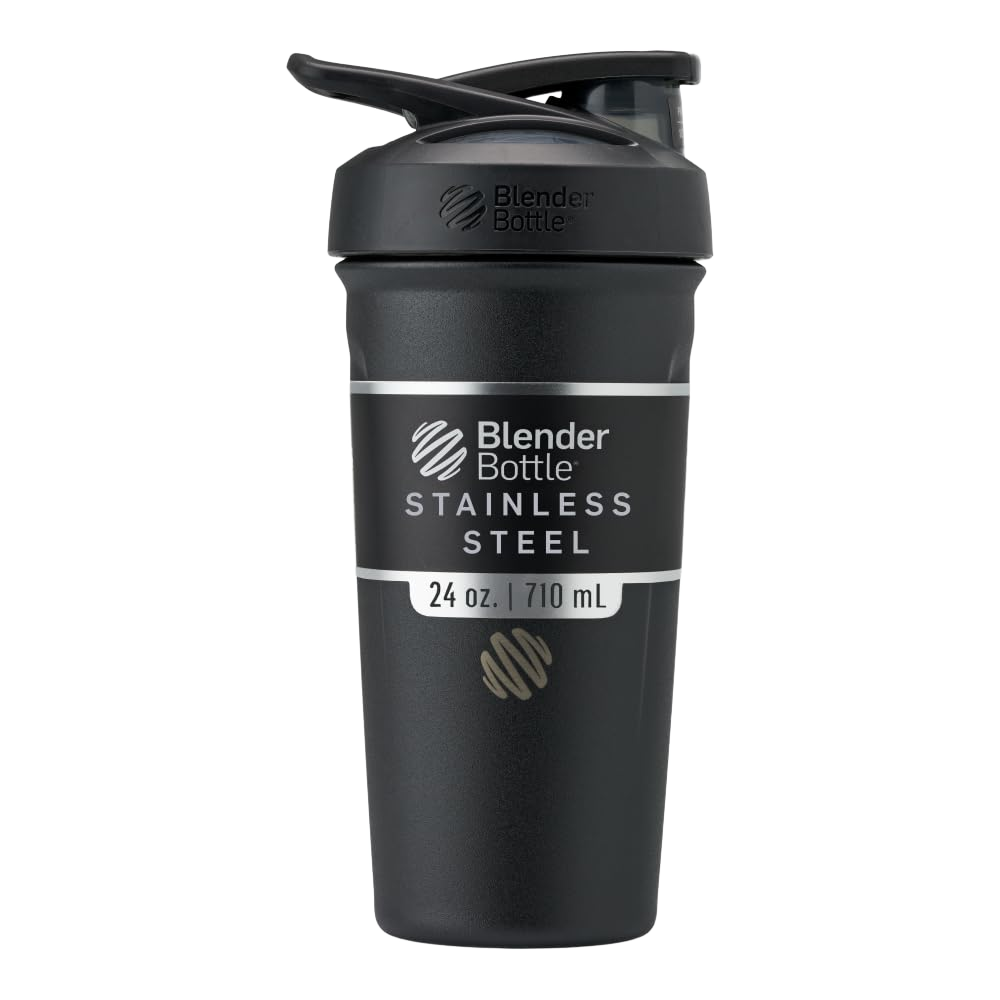 BlenderBottleStrada Shaker Cup Insulated Stainless Steel Water Bottle with Wire Whiskstainless steelMaterial-based evidence · 95%Double-wall insulated stainless steel shaker bottle, BPA- and phthalate-free, no coatings or PFAS indicators mentioned.
Appliances and Other Kitchen Essentials
While PFAS are most commonly associated with cookware, they can also appear in other kitchen appliances and accessories. Air fryers, for instance, often feature nonstick baskets that may contain PFAS. Opting for models with glass or stainless steel components can help mitigate this risk. Even small items like dental floss can contain PFAS, highlighting the importance of checking labels and choosing brands committed to chemical-free products.
PFAS-Free Appliances and More: Expanding Your Safe Zone
Beyond cooking and storage, consider other kitchen items that might unknowingly expose you to PFAS. Air fryers with glass or ceramic-coated baskets offer a healthier way to enjoy fried foods. Even personal care items used in the kitchen, like dental floss, can be sources of concern, making PFAS-free alternatives a smart choice.
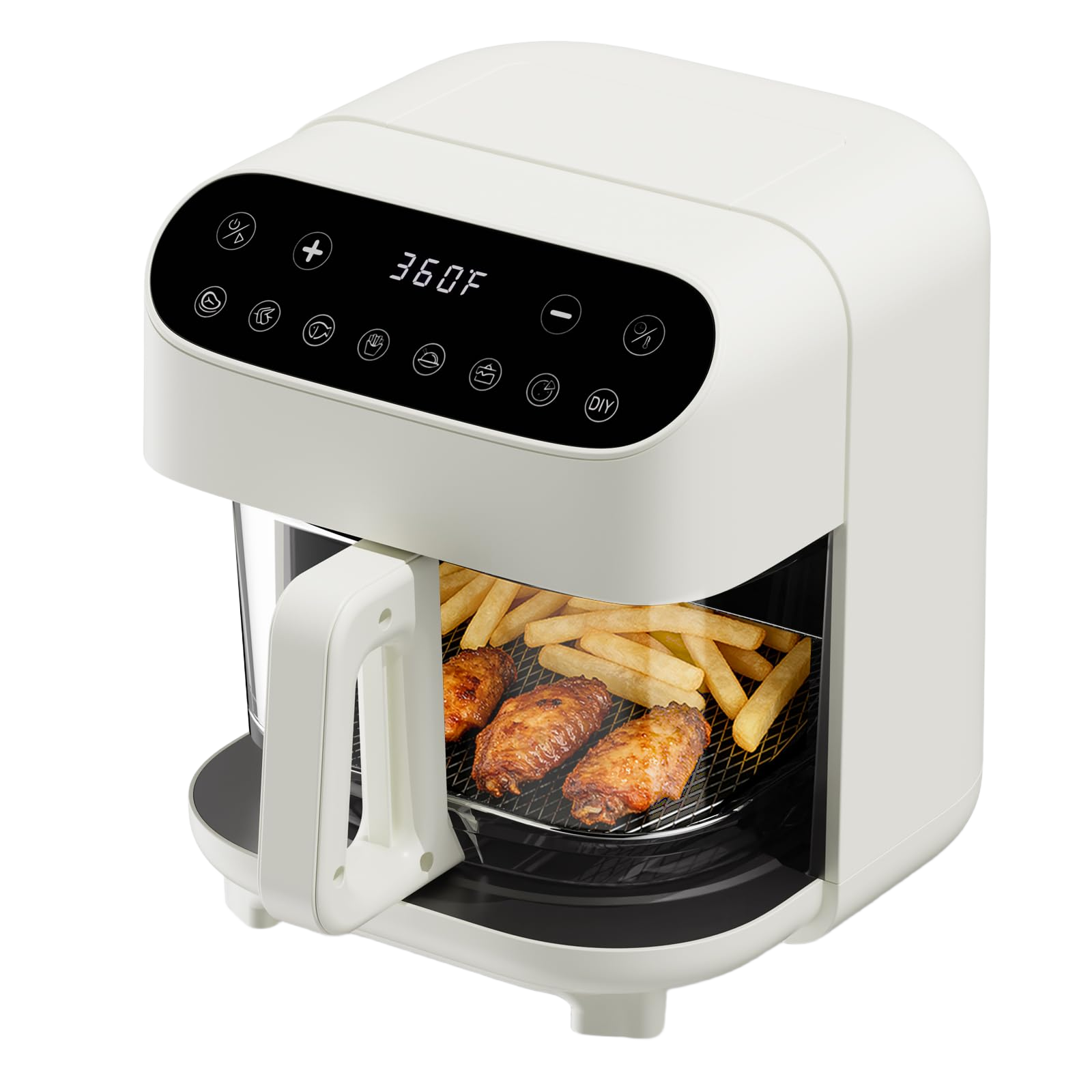 Havato5 Quart Glass Air FryerHigh Borosilicate Glass Basket, 304 Stainless Steel Grill RackMaterial-based evidence · 95%Uncoated high borosilicate glass basket and 304 stainless steel rack confirmed PTFE/PFAS-free, ideal for non-toxic cooking.
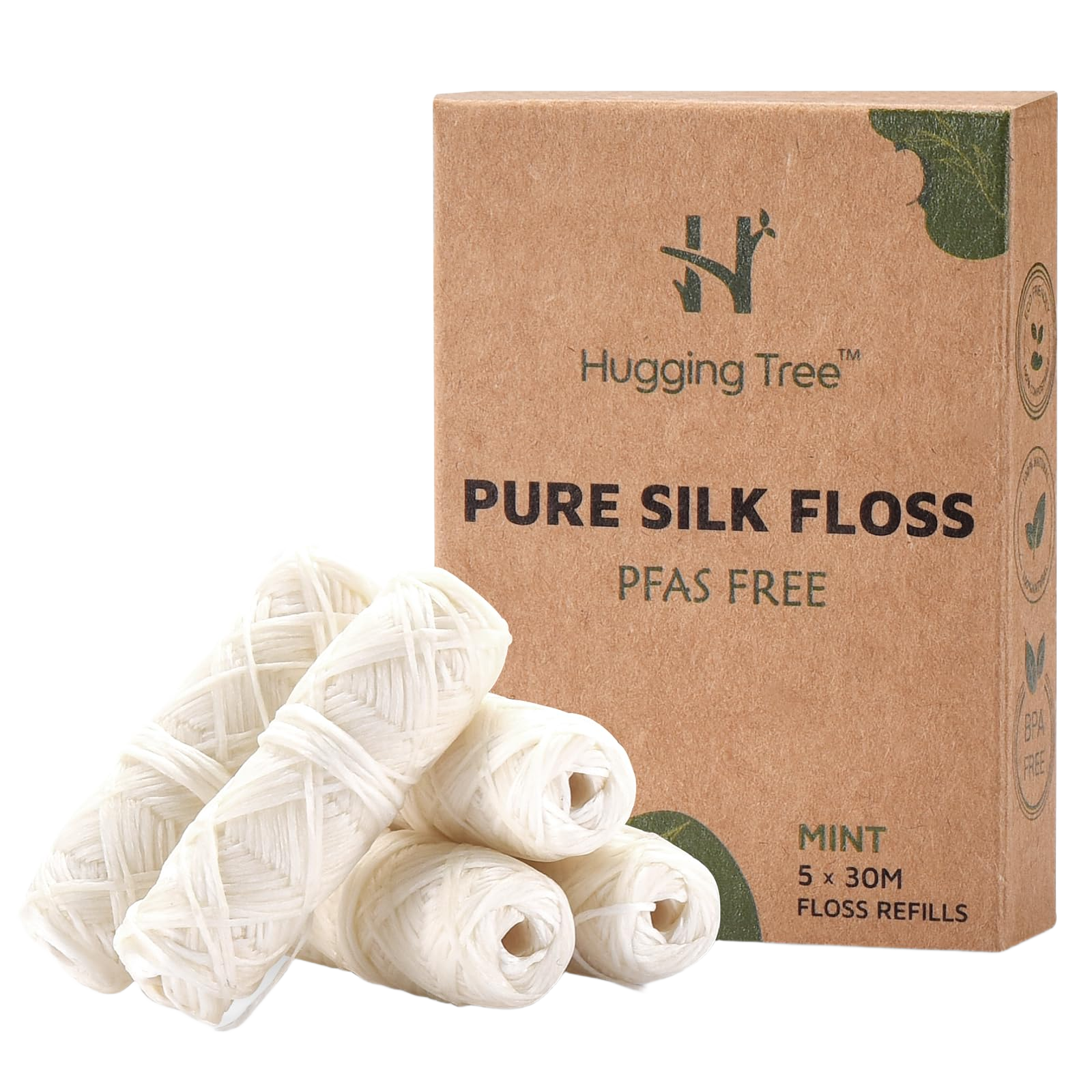 Hugging TreeNatural Silk Dental Floss Refillsmulberry silk with candelilla waxBrand claim · 90%PFAS-free silk dental floss made from natural mulberry silk coated with plant-based candelilla wax, explicitly PTFE-free and biodegradable.
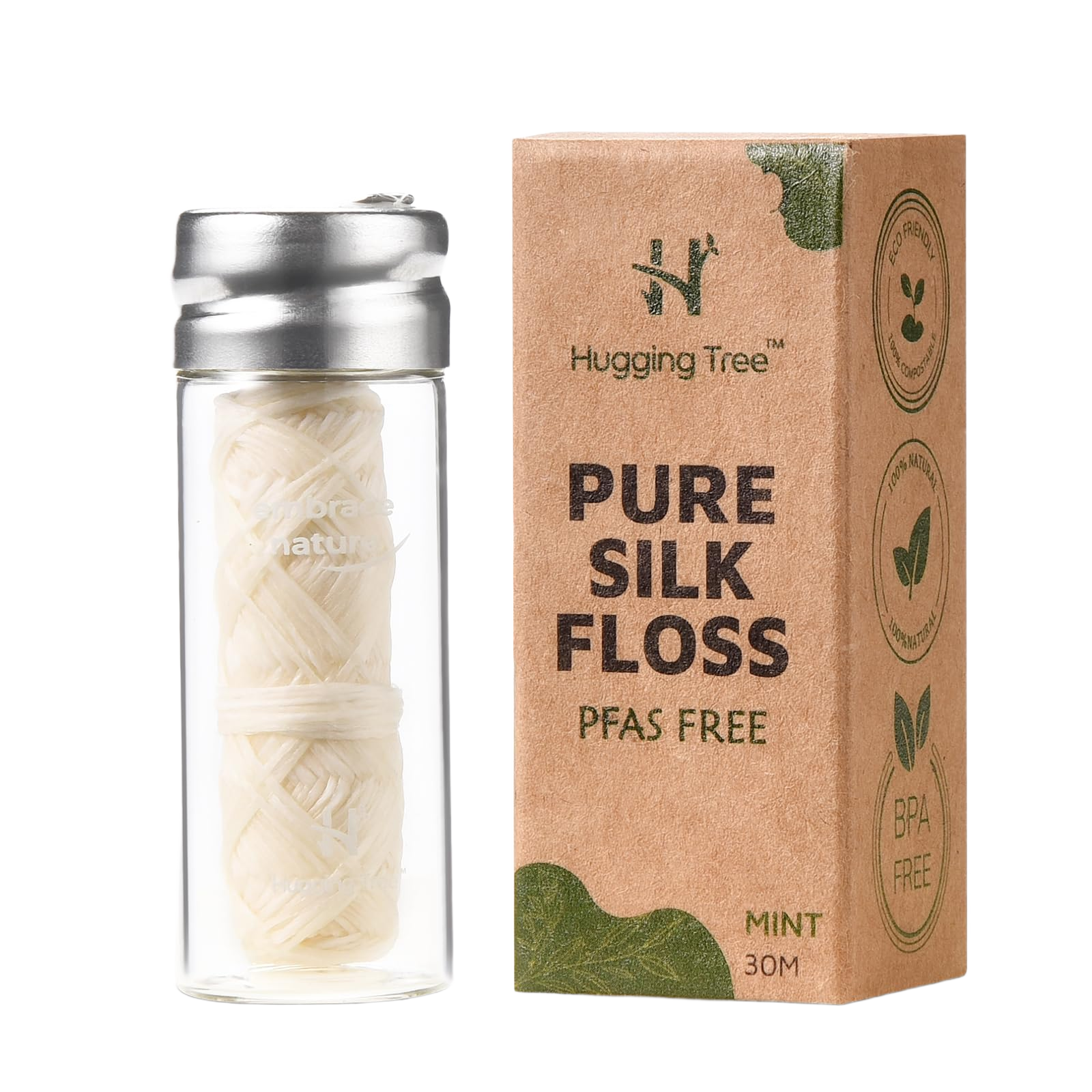 Hugging TreeNatural Silk Dental Floss with Glass Dispensernatural mulberry silk with candelilla waxBrand claim · 90%PFAS-free, PTFE-free, BPA-free silk floss coated with plant-based candelilla wax, zero-waste with glass dispenser.
Tips for a PFAS-Free Kitchen
Transitioning to a PFAS-free kitchen is a gradual process. Here are some key actions you can take:
What to Avoid
To minimize your exposure to PFAS in the kitchen, it's best to avoid products with the following characteristics:
Making Informed Choices
Creating a PFAS-free kitchen is an ongoing journey that involves making informed choices about the products you bring into your home. By understanding where PFAS can hide and prioritizing safer materials like glass, stainless steel, and naturally seasoned cast iron, you can significantly reduce your family's exposure to these persistent chemicals. Always look for transparent labeling and certifications from trusted third parties when available. Your health and the environment will thank you for it.
Questions
What are PFAS and why should I avoid them in my kitchen?
PFAS (per- and polyfluoroalkyl substances) are a group of human-made chemicals known for their resistance to heat, oil, stains, and water. They are commonly used in nonstick cookware, food packaging, and water-repellent materials. You should avoid them because they are 'forever chemicals' that persist in the environment and human body, and have been linked to potential health issues such as cancer, thyroid disease, and developmental problems.
What materials are considered PFAS-free for cookware?
For cookware, excellent PFAS-free materials include stainless steel, cast iron (especially naturally seasoned), and certain ceramic-coated options that explicitly state they are PFAS-free, PFOA-free, and PTFE-free. Glass bakeware is also a safe choice.
How can I tell if a nonstick pan is PFAS-free?
Look for explicit labeling that states "PFAS-free," "PFOA-free," and "PTFE-free." Many newer ceramic nonstick coatings claim to be free of these chemicals. However, if a nonstick pan doesn't have these clear labels, it's best to assume it may contain PFAS and opt for alternatives like stainless steel or cast iron.
What are the best PFAS-free options for food storage?
The best PFAS-free options for food storage are glass containers (borosilicate or tempered glass) and stainless steel containers. For seals, food-grade silicone is generally a safe choice. For bags, look for plant-based, compostable options that are certified PFAS-free.
Are all ceramic coatings PFAS-free?
While many ceramic coatings are marketed as PFAS-free, it's important to verify. Most ceramic coatings are made from silica (sand-derived) and are generally considered safer than traditional PTFE-based nonstick. However, always look for explicit "PFAS-free" claims from reputable brands, as some ceramic coatings might still contain other concerning chemicals or additives.
Can PFAS be found in kitchen appliances other than cookware?
Yes, PFAS can be found in other kitchen appliances, particularly those with nonstick surfaces like air fryer baskets, waffle makers, and electric griddles. It's advisable to look for appliances with stainless steel, glass, or explicitly PFAS-free ceramic components.
What about plastic products in the kitchen? Are they all bad?
Not all plastic products contain PFAS, but many do, especially those designed for food contact due to their grease and water-resistant properties. It's generally safer to reduce your reliance on plastic for food storage and preparation, especially when heating food. Opt for BPA-free plastics if you must use them, but glass and stainless steel are preferred for minimizing chemical exposure.