The Quest for Microplastic-Free Hydration
In an era where microplastics are increasingly found in our environment and even in our bodies, choosing a water bottle that minimizes exposure to these pervasive particles has become a priority for many. This guide focuses on identifying water bottles made from materials that do not shed microplastics into your drink, specifically highlighting options in stainless steel and glass.
Why Choose No-Microplastic Water Bottles?
The primary concern with many conventional water bottles is the potential for plastic and silicone components to degrade over time, releasing microplastic particles into the water we drink. While the long-term health effects of microplastic ingestion are still under research, many consumers are opting for materials known for their inertness and durability. Stainless steel and glass are excellent choices because they do not break down into micro-particles that can contaminate your beverages. This guide will help you navigate the market to find bottles that prioritize your health by minimizing plastic contact, especially in areas where water directly touches the material.
Top Pick: Stainless Steel for Durability and Purity
Stainless steel is a highly durable and non-reactive material, making it an excellent choice for a no-microplastic water bottle. Look for food-grade stainless steel, typically 18/8 or 18/10, which indicates its composition and resistance to corrosion. These bottles are often insulated, keeping your drinks cold or hot for extended periods without compromising material integrity.
Understanding Material Choices: Stainless Steel vs. Glass
When selecting a water bottle to avoid microplastics, the two primary material categories that stand out are stainless steel and glass. Each has distinct advantages and considerations. Stainless steel, particularly 18/8 food-grade, is renowned for its durability, resistance to corrosion, and ability to maintain beverage temperature. It's an excellent choice for active lifestyles or situations where impact resistance is crucial. Glass, especially borosilicate glass, offers a completely inert and transparent option, allowing you to see the contents and ensuring no flavor transfer. However, glass is inherently more fragile than stainless steel. Both materials are excellent choices for minimizing microplastic exposure, but your lifestyle and priorities will dictate the best fit.
Clear Choice: Borosilicate Glass for Uncompromised Purity
Borosilicate glass is known for its thermal shock resistance and durability compared to regular glass, making it a safe and pure option for water bottles. It doesn't leach chemicals, absorb odors, or stain, ensuring your water tastes exactly as it should. Many glass bottles come with protective sleeves to enhance durability.
Comparing Stainless Steel and Glass Water Bottles
Both stainless steel and glass offer excellent solutions for avoiding microplastics in your drinking water. Stainless steel bottles, like the Philips GoZero, are often lauded for their robustness and insulation properties, making them ideal for outdoor activities or long commutes. They can withstand drops and bumps better than glass. On the other hand, glass bottles, such as the VITEVER set, provide a completely pure taste experience, as glass is entirely non-reactive and doesn't retain flavors from previous beverages. They also allow for easy visual inspection of cleanliness. The choice between them often comes down to a trade-off between durability and absolute taste neutrality. For those seeking versatility and a completely transparent drinking experience, a set of glass cups can serve multiple purposes beyond just a water bottle.
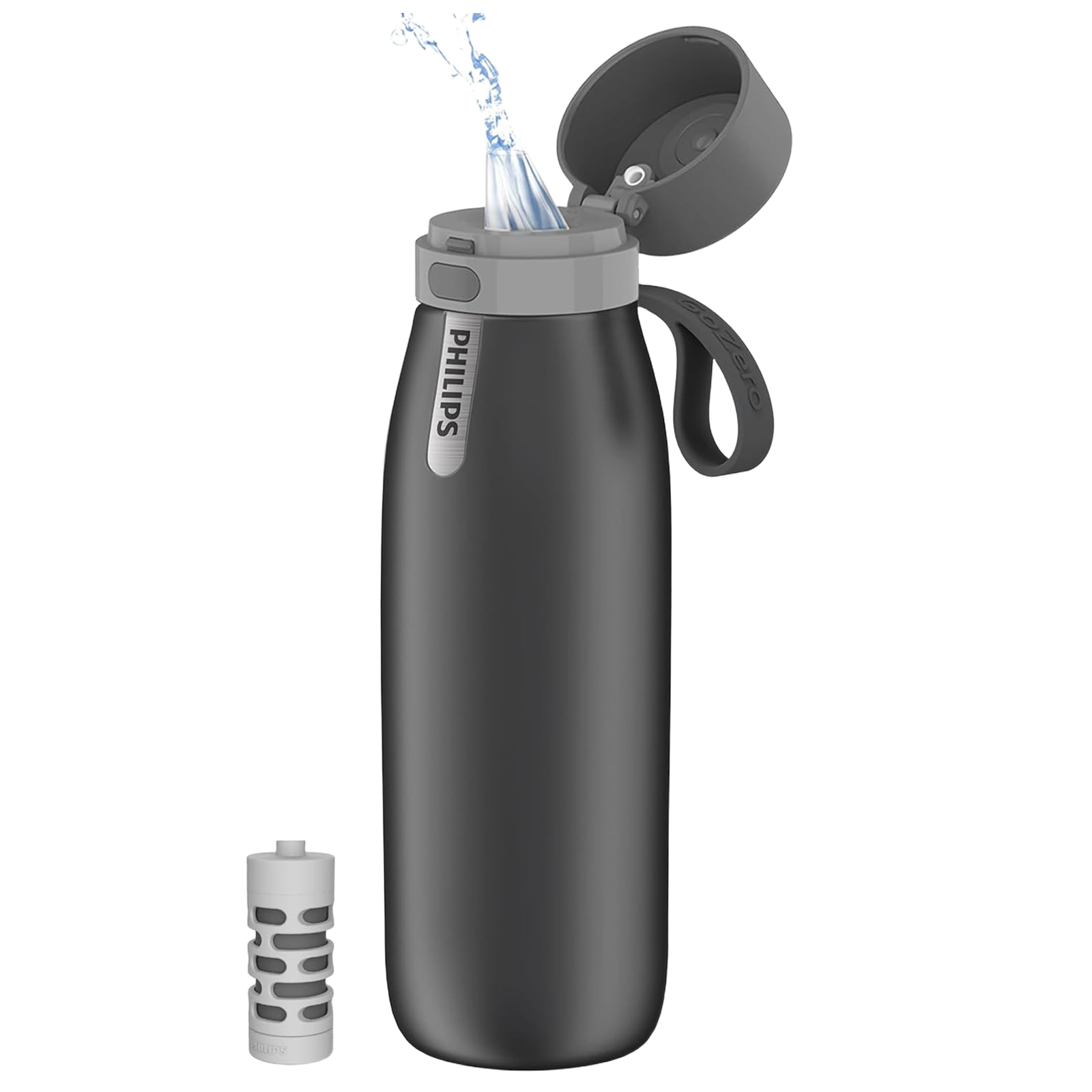 PhilipsWater Bottle with Filter18/8 food-grade stainless steelMaterial-based evidence · 95%Made of food-grade 18/8 stainless steel with double-wall vacuum insulation; no PFAS coatings or red flags mentioned.
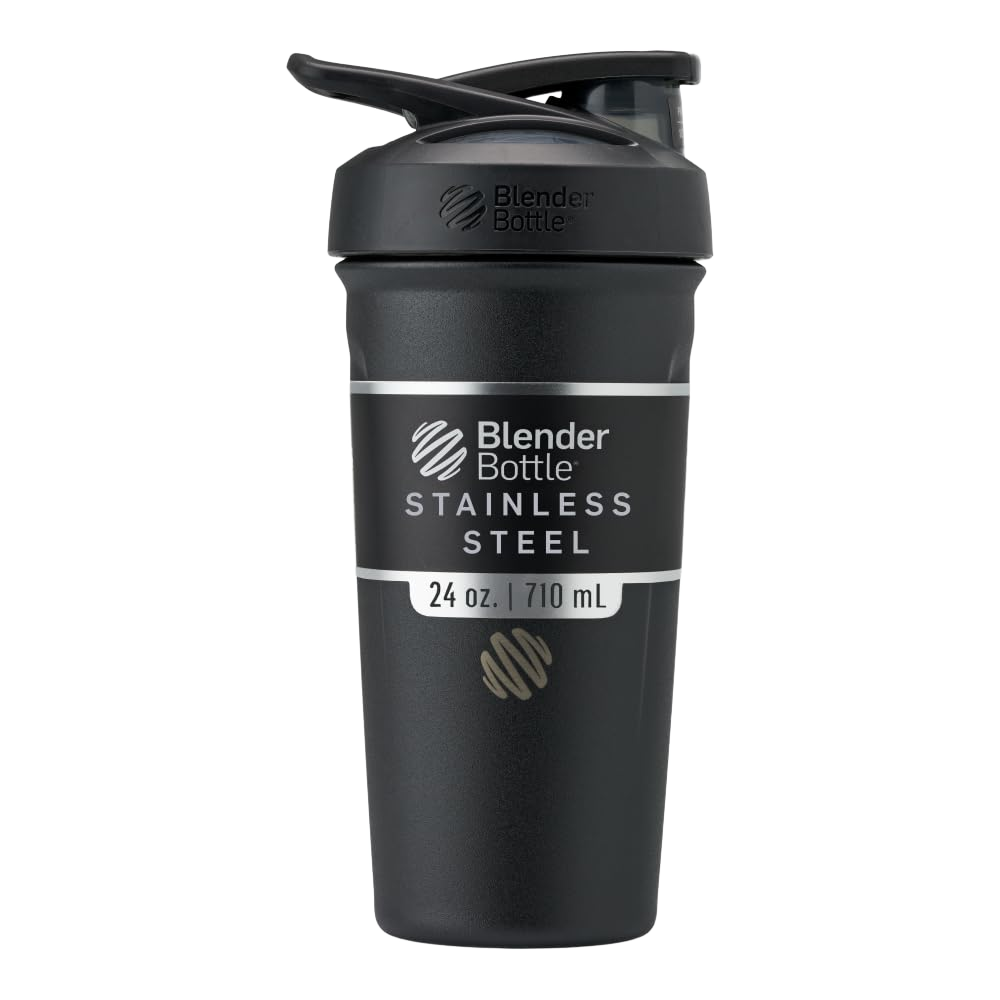 BlenderBottleStrada Shaker Cup Insulated Stainless Steel Water Bottle with Wire Whiskstainless steelMaterial-based evidence · 95%Double-wall insulated stainless steel shaker bottle, BPA- and phthalate-free, no coatings or PFAS indicators mentioned.
What to Avoid: Hidden Plastics and Coatings
When shopping for a no-microplastics water bottle, be vigilant about hidden plastic components. Many stainless steel and glass bottles still feature plastic lids, straws, or internal gaskets. While some plastics, like certain grades of polypropylene (PP) or high-density polyethylene (HDPE), are considered safer than others, any plastic in direct contact with water can potentially degrade over time. Avoid bottles with internal plastic linings or coatings, as these are often the primary source of chemical leaching and microplastic shedding. Also, be wary of products that claim to be 'BPA-free' but still contain other synthetic polymers; BPA-free does not automatically mean microplastic-free. Always scrutinize product descriptions and images for any non-metal or non-glass parts that come into contact with your drink. Even silicone, while generally considered inert, can be a concern for some consumers seeking absolute plastic-free options, especially if it's a soft, easily degradable grade. The goal is to minimize, if not eliminate, any non-inert materials from your water contact surfaces.
Practical Shopping Rules for No-Microplastic Bottles
To effectively shop for water bottles that minimize microplastic exposure, follow these guidelines:
* **Prioritize Single-Material Construction:** Opt for bottles where the primary material (stainless steel or glass) forms the entire inner surface that contacts your water. This reduces the risk of different materials interacting or degrading. * **Inspect Lids and Closures:** This is where plastic often hides. Look for lids made entirely of stainless steel or bamboo, with minimal or no silicone gaskets if possible. If a gasket is present, ensure it's made from a high-quality, food-grade material and is easily removable for cleaning and inspection. * **Avoid Internal Linings and Coatings:** These are often plastic-based or contain PFAS, even if not explicitly stated. Pure stainless steel and glass do not require internal coatings. * **Read Product Descriptions Carefully:** Look for explicit mentions of 'food-grade stainless steel,' 'borosilicate glass,' and 'plastic-free water contact parts.' Be skeptical of vague claims. * **Consider Bottle Openings:** Wider mouths are easier to clean and allow for better inspection of internal surfaces, reducing the likelihood of hidden plastic components or residue buildup. * **Check for Certifications:** While not always indicative of microplastic-free status, certifications for food safety standards can provide an extra layer of assurance regarding material quality.
Key Features for Microplastic-Free Water Bottles
When choosing a water bottle to avoid microplastics, keep this checklist in mind:
Questions
Are all stainless steel water bottles microplastic-free?
While the stainless steel body itself is microplastic-free, many stainless steel bottles still use plastic or silicone in their lids, straws, or internal gaskets. To be truly microplastic-free in water contact areas, you need to ensure these components are also made of stainless steel or another inert material like bamboo, or are minimized.
Is glass a better option than stainless steel for avoiding microplastics?
Both glass and stainless steel are excellent choices for avoiding microplastics. Glass is completely inert and non-reactive, offering a pure taste. Stainless steel is more durable and often insulated. The 'better' option depends on your personal preference for durability versus taste purity and transparency.
What about 'BPA-free' plastic bottles?
While 'BPA-free' indicates the absence of Bisphenol A, these bottles are still made of other plastics that can potentially leach chemicals or shed microplastics. For a truly microplastic-free experience, it's best to opt for glass or stainless steel with minimal or no plastic water contact parts.
How can I ensure the lid of my water bottle is microplastic-free?
Look for lids made entirely of stainless steel or bamboo. Some lids may have silicone gaskets for sealing; while silicone is generally considered more stable than plastic, some consumers prefer to minimize its contact with water. Ensure any silicone components are easily removable for thorough cleaning and inspection.
Can I use a water bottle with a filter and still avoid microplastics?
Many water bottle filters contain plastic components. If you're seeking a microplastic-free solution, you'll need to carefully research the filter's materials to ensure no plastic comes into contact with the filtered water. Some brands offer filters with minimal plastic or alternative materials, but this is less common.