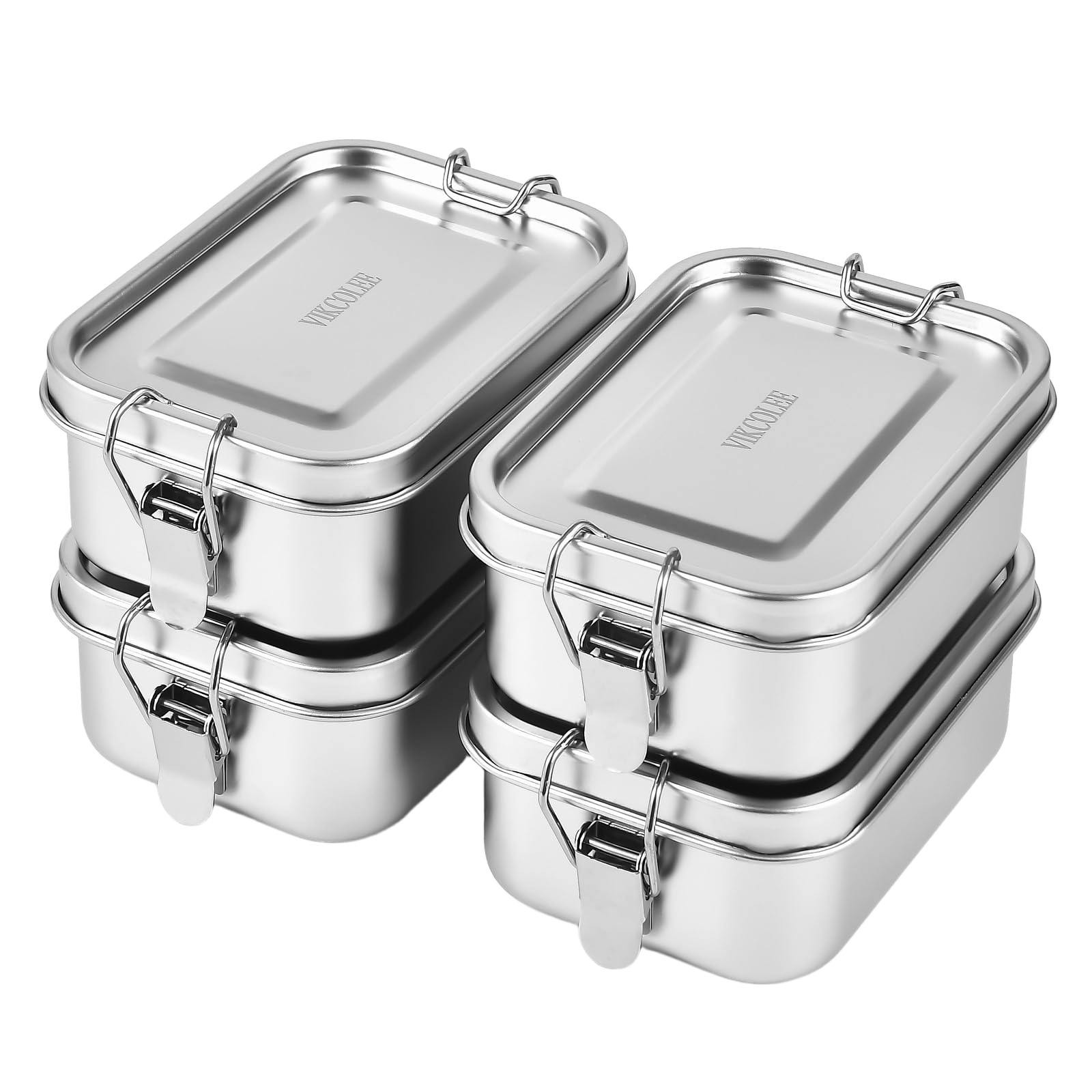
The Challenge of Microplastics in Food Storage
In an era of heightened environmental and health awareness, the presence of microplastics and PFAS (per- and polyfluoroalkyl substances) in everyday items, especially food storage, has become a significant concern. Microplastics, tiny plastic particles, can shed from containers and potentially transfer to food, while PFAS, known as 'forever chemicals,' are often used in non-stick and stain-resistant coatings. This guide helps you navigate the complexities of food storage materials, focusing on options with clearer material evidence and lower risk of microplastic or PFAS contamination. We'll explore safer alternatives like glass, stainless steel, and certain plant-based materials, while also addressing common pitfalls like plastic lids and silicone seals.
Understanding PFAS and Microplastics in Food Storage
PFAS are a group of synthetic chemicals found in various consumer products, including some food packaging and cookware, due to their oil- and water-repellent properties. Research indicates that PFAS can migrate from food contact materials into food, posing potential health risks. Similarly, microplastics, fragments of plastic less than 5mm in length, can originate from plastic containers and enter our food supply. Choosing food storage made from inherently safe materials is crucial for minimizing exposure to these contaminants. The FDA acknowledges authorized uses of PFAS in food contact applications but continues to evaluate their safety, while also researching the presence of microplastics and nanoplastics in foods.
Stainless Steel: A Durable and Non-Toxic Choice
Stainless steel is a highly recommended material for food storage due to its durability, resistance to corrosion, and inert nature, meaning it won't leach chemicals into your food. It's naturally PFAS-free and does not shed microplastics. Look for food-grade stainless steel (e.g., 304 or 18/8) for optimal safety.
The Benefits of Glass for Food Storage
Glass is another excellent choice for food storage. It's non-porous, doesn't absorb odors or stains, and is completely free from PFAS and microplastic shedding. Borosilicate glass, in particular, offers superior thermal shock resistance, making it safe for use in ovens, microwaves, and freezers. While glass containers often come with plastic lids, opting for those with silicone gaskets or seeking glass-on-glass lid options can further reduce plastic contact.
Glass Containers: Clear, Clean, and Versatile
Glass containers are ideal for meal prepping, leftovers, and pantry organization. They allow you to easily see contents and are safe for reheating. Prioritize products made from borosilicate glass for enhanced durability.
Comparing Stainless Steel and Glass for Food Storage
Both stainless steel and glass offer excellent PFAS-free and microplastic-free food storage solutions, but they each have distinct advantages and disadvantages depending on your needs. Stainless steel is renowned for its unbreakable nature, making it perfect for on-the-go meals, camping, or households with children. It's lightweight and often comes in bento-style designs. However, you cannot see the contents without opening the container, and it's not suitable for microwave use. Glass, on the other hand, provides clear visibility of your food, is safe for microwave and oven use (especially borosilicate glass), and is aesthetically pleasing for serving. Its main drawback is its fragility and heavier weight. When choosing between the two, consider your primary use: portability and durability favor stainless steel, while visibility, microwaveability, and oven-safe properties lean towards glass.
Other Lower-Risk Materials for Food Contact
Beyond glass and stainless steel, other materials offer lower risks for food contact. Natural materials like bamboo, ceramic, and untreated wood can be excellent choices for certain food storage applications, provided they are not treated with synthetic coatings or adhesives. Unbleached parchment paper is also a good option for baking and wrapping, as many brands are now explicitly marketing as PFAS-free.
Practical Shopping Rules for No Microplastics Food Storage
When shopping for food storage, keep these rules in mind to minimize your exposure to microplastics and PFAS:
What to Avoid: High-Risk Food Storage Materials
To truly minimize microplastic and PFAS exposure, certain materials should be avoided for food storage, especially for heated or acidic foods:
* **All Plastics (especially #3, #6, #7):** While some plastics are marketed as 'BPA-free,' this doesn't guarantee they are free from other concerning chemicals or won't shed microplastics. Heating plastic significantly increases the risk of chemical leaching and microplastic release. This includes plastic wrap, plastic bags, and plastic containers. * **Non-Stick Coatings:** Cookware and some food storage items with non-stick coatings almost universally contain PFAS. These coatings can degrade over time, releasing toxic chemicals into your food. * **Coated Paper Products (unless certified PFAS-free):** Many disposable paper plates, cups, and food wrappers are treated with PFAS for grease and water resistance. Unless explicitly stated as PFAS-free and ideally certified, assume these contain 'forever chemicals.' * **Silicone with Fillers:** While food-grade silicone is generally considered safer than plastic, some silicone products can contain fillers that may degrade or leach. Opt for platinum-cured silicone if possible, and avoid silicone products with a strong chemical odor. * **Aluminum Foil (for acidic foods):** While not a microplastic or PFAS concern, aluminum foil can leach aluminum into highly acidic foods (like tomatoes or lemons), especially when heated. Consider parchment paper or glass alternatives.
Uncertainty and Trade-offs in Food Storage Choices
Navigating 'no microplastics' food storage often involves trade-offs. While glass and stainless steel are ideal, they might not always be practical for every situation (e.g., weight for packed lunches, breakability). For convenience, some might consider silicone, which is generally more stable than plastic but still a synthetic polymer. When using silicone, look for platinum-cured, food-grade options and avoid heating them excessively. For disposable options, PFAS-free parchment paper and BPI-certified compostable bags made from plant-based materials like PLA and PBAT are emerging alternatives, though their long-term stability and true biodegradability are still subjects of ongoing research. The key is to make informed choices based on your specific needs, prioritizing direct food contact materials with the clearest safety profiles and minimizing exposure to known problematic substances.
Questions
What are PFAS and why should I avoid them in food storage?
PFAS (per- and polyfluoroalkyl substances) are a group of man-made chemicals known as 'forever chemicals' because they break down very slowly in the environment and in the human body. They are used in many products for their water- and grease-repellent properties, including some food packaging and non-stick coatings. Exposure to PFAS has been linked to various health concerns. Avoiding them in food storage prevents these chemicals from migrating into your food.
Are 'BPA-free' plastic containers safe from microplastics?
While 'BPA-free' indicates the absence of Bisphenol A, it does not guarantee that the plastic is free from other potentially harmful chemicals or that it won't shed microplastics. All plastics, regardless of BPA content, can degrade over time and release microplastic particles, especially when heated or scratched. For true no-microplastics storage, glass or stainless steel are preferred.
Can I use parchment paper for PFAS-free food storage?
Yes, many brands now offer unbleached, PFAS-free parchment paper, which is a good option for baking, wrapping sandwiches, or lining containers. Always check the product label for explicit 'PFAS-free' claims, as some conventional parchment papers may still contain these chemicals for grease resistance.
What about silicone lids and seals? Are they safe?
Food-grade silicone is generally considered a safer alternative to plastic for lids and seals, as it is more stable and less likely to leach chemicals or shed microplastics than traditional plastics. However, it is still a synthetic polymer. For the lowest risk, look for platinum-cured silicone. Avoid excessive heating of silicone and replace it if it becomes sticky, discolored, or shows signs of degradation.
How can I store food without using any plastic at all?
To store food completely plastic-free, opt for containers made entirely of glass or stainless steel. For wrapping, use PFAS-free parchment paper, beeswax wraps, or reusable cloth bags. For liquids, glass bottles or stainless steel thermoses are excellent choices. Mason jars are versatile for both dry goods and refrigerated items.